Views: 0 Author: Site Editor Publish Time: 2025-09-05 Origin: Site

The main difference between hydraulic hose and industrial hose comes from their design and use. Hydraulic hoses handle high-pressure fluid transmission for heavy machinery, while industrial hoses serve a wider range of applications, including chemical transfer, air, water, and material handling. Selecting the correct hose type protects workers and equipment. Recent studies show that proper hose maintenance and selection prevent injuries and downtime. In 2025, industrial hose usage outpaces hydraulic hose, with the market reaching $16.38 billion. New materials and smart features drive safer, more efficient operations.
Market Segment | Market Size 2025 (USD Billion) | CAGR (%) | Key Market Share / Segment Details |
|---|---|---|---|
Industrial Hoses | 16.38 | 10.1 | Oil & Gas 38.4% share; Rubber hoses 36.8% |
Hydraulic Hoses | 12.2 | 5.0 | Thermoplastics 34% share |
Hydraulic hoses carry high-pressure fluids for heavy machinery, while industrial hoses handle many fluids and materials at lower pressures.
Choosing the right hose type and material ensures safety, prevents leaks, and extends hose life in different industries.
Industrial hoses offer flexibility and versatility for fluids like water, chemicals, and food, but hydraulic hoses need strong steel reinforcement for high pressure.
Regular inspection, proper installation, and maintenance reduce risks of hose failure and costly downtime.
Following standards and consulting experts help select hoses that meet pressure, temperature, and chemical needs for safe, efficient operations.
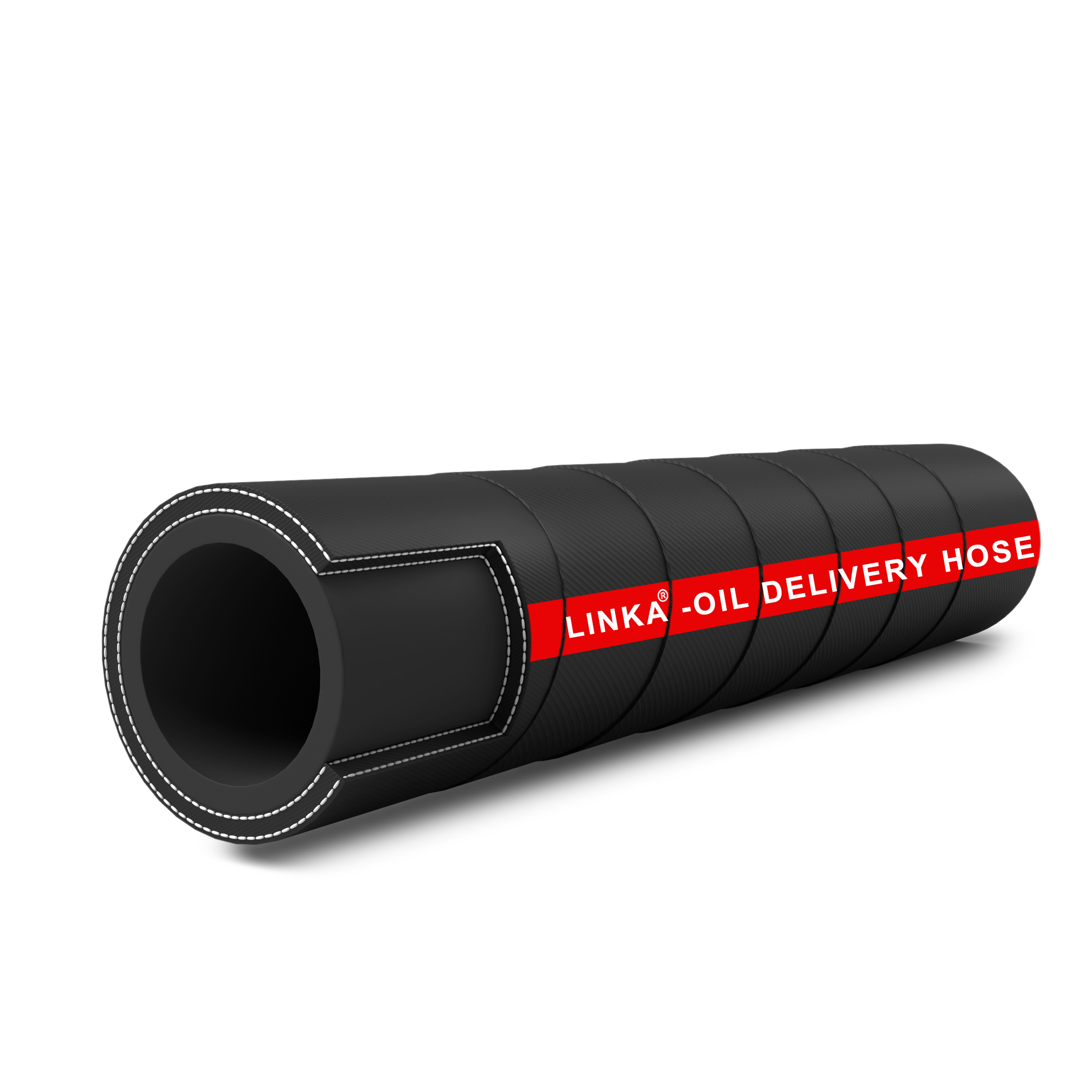
An industrial hose is a flexible, durable tube designed to move liquids, gases, or materials in demanding environments. Manufacturers use materials like rubber, PVC, polyurethane, and silicone to create hoses that handle a wide range of substances. Industrial hoses often feature multiple layers: an inner tube for fluid contact, a reinforcement layer for strength, and an outer cover for protection against abrasion and weather. These hoses come in many forms, such as coiled, corrugated, lay-flat, or reinforced with textile or wire. Engineers select industrial hoses based on the specific needs of industries like manufacturing, construction, agriculture, and food processing.
Industrial hoses must meet strict standards for safety and performance. Organizations such as ISO and SAE set guidelines for pressure ratings, temperature ranges, and chemical compatibility. Some hoses include features like anti-static properties, flame resistance, or explosion-proof ratings. Regular inspection and maintenance help prevent leaks and extend service life. The right industrial hose ensures safe, efficient, and cost-effective operations.
A hydraulic hose is a specialized component used in hydraulic systems to carry pressurized fluid. These hoses play a key role in transferring mechanical energy in heavy machinery and equipment. Hydraulic hoses have a three-part construction: an inner tube that holds the hydraulic fluid, a reinforcement layer made of braided or spiral steel for strength, and a tough outer cover that protects against abrasion, chemicals, and UV exposure.
Hydraulic hoses must withstand very high pressures, often up to 10,000 psi, and extreme temperatures. The materials used in hydraulic hoses are engineered to resist the effects of hydraulic fluids and maintain flexibility under stress. Secure fittings connect hydraulic hoses to equipment, ensuring a tight seal and preventing leaks. Industry standards such as SAE J517 and ISO 18752 define the construction, testing, and performance requirements for hydraulic hoses. Proper installation and regular maintenance are essential to keep hydraulic systems safe and reliable.
Industrial hoses and hydraulic hoses differ in several important ways. The table below highlights the main structural and functional differences:
Feature | Industrial Hoses | Hydraulic Hoses |
|---|---|---|
Reinforcement Layers | One or two layers of textile or synthetic materials | Multi-layered with steel reinforcement (braided or spiral) |
Inner Tube Material | PVC, rubber, or synthetic compounds | Specialized rubber resistant to hydraulic fluids |
Pressure Rating | Moderate pressure (typically up to 600 psi) | High pressure (up to 10,000 psi) |
Flexibility | High flexibility, suitable for various fluids/substances | Moderate flexibility due to steel reinforcement |
Media Compatibility | Wide range including steam, dry materials, food-grade | Primarily hydraulic fluids |
Outer Cover | Durable but less complex | Durable rubber/synthetic cover resistant to abrasion, UV, chemicals |
Standards Compliance | Varies by application (FDA, ISO, etc.) | Strict standards like SAE J517, EN 853 |
Typical Applications | General industrial use, manufacturing, agriculture | High-pressure hydraulic systems in machinery and equipment |
Industrial hoses offer greater versatility. They can handle many types of fluids and materials, from water and air to chemicals and food products. Hydraulic hoses, on the other hand, are designed for a single purpose: to transmit hydraulic fluid under high pressure. This specialization means hydraulic hoses require stronger reinforcement and more rigorous testing.
Note: A common misconception is that all hoses are the same. In reality, industrial hoses and hydraulic hoses differ in materials, pressure ratings, flexibility, and fluid compatibility. Selecting the correct hose for the job is critical for safety and performance.
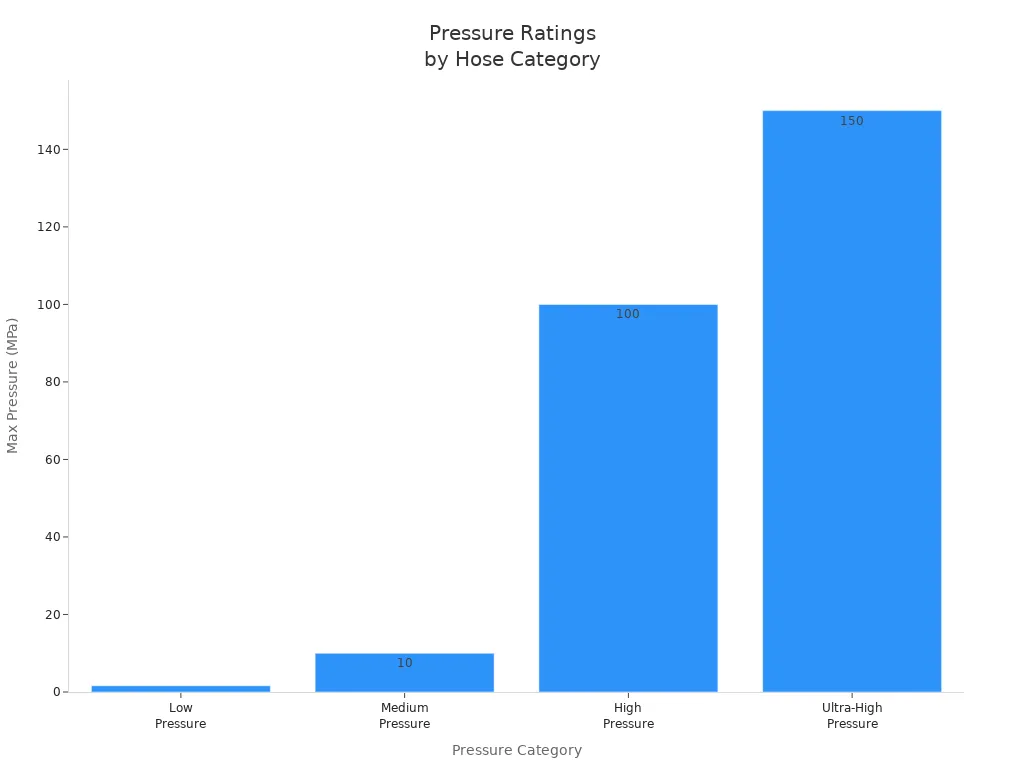
The pressure rating is one of the most significant differences. Industrial hoses typically operate at lower pressures, usually up to 600 psi, while hydraulic hoses can handle pressures as high as 10,000 psi. This difference affects the construction, with hydraulic hoses using multiple layers of steel reinforcement for added strength. Industrial hoses, by contrast, often use textile or synthetic reinforcements, which provide more flexibility but less pressure resistance.
Industrial hoses also vary widely in their applications. They are found in industries such as oil and gas, mining, agriculture, and food processing. Hydraulic hoses are most common in heavy machinery, construction equipment, and industrial automation, where high-pressure fluid power is needed.
Another key difference lies in standards and certifications. Industrial hoses follow guidelines that depend on their intended use, such as FDA for food-grade hoses or ISO for general industrial applications. Hydraulic hoses must meet strict standards like SAE J517 and ISO 18752 to ensure they can handle high pressures safely.
Industrial hoses use a variety of materials to meet the needs of different industries. Manufacturers select materials based on the fluids, gases, or solids the hose will carry. Most industrial hoses have three main layers: an inner tube, a reinforcement layer, and an outer cover. The inner tube often uses synthetic or natural rubbers like nitrile (NBR), EPDM, neoprene, or silicone. These materials affect the hose’s strength, flexibility, and resistance to chemicals and temperature.
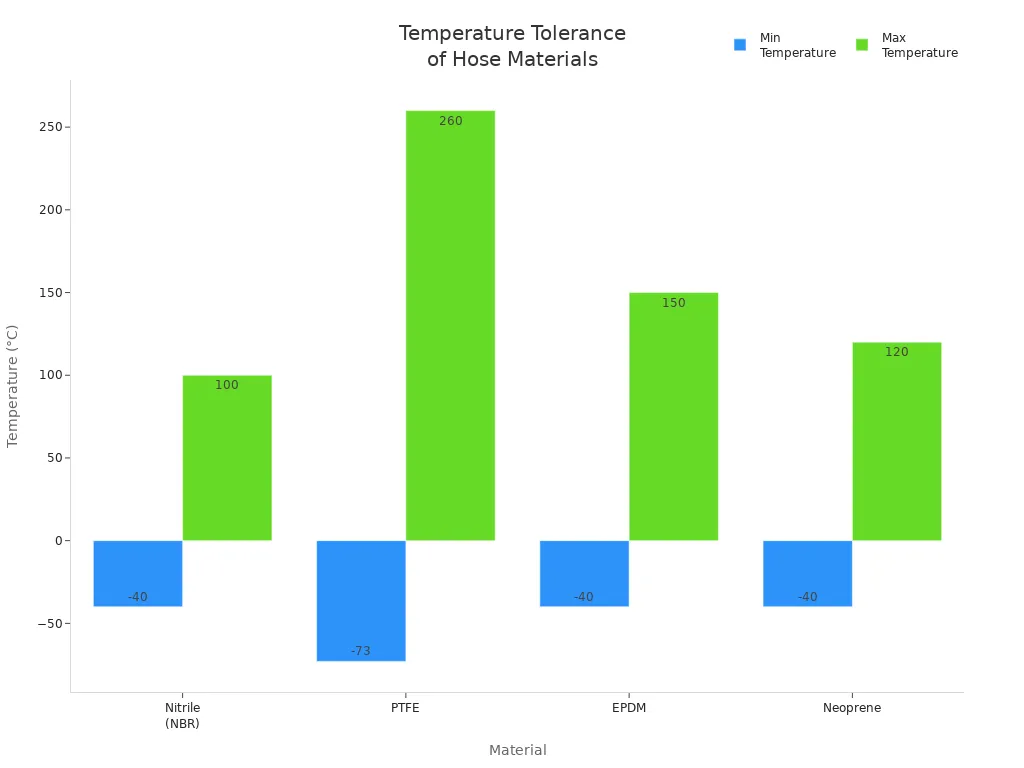
The outer layer usually consists of synthetic rubber or PVC. This layer protects the hose from sunlight, abrasion, and harsh weather. Additives such as carbon black and antioxidants improve durability. The choice of material directly impacts how well the hose handles chemicals and temperature changes. For example, PTFE hoses resist strong chemicals and high heat, while EPDM hoses work well with hot water and steam.
Material | Chemical Resistance | Temperature Range | Typical Uses |
|---|---|---|---|
Nitrile (NBR) | Petroleum fluids | -40°C to 100°C | Oil transfer, fuel lines |
EPDM | Water-based fluids, steam | -40°C to 150°C | Hot water, steam cleaning |
PTFE | Corrosive chemicals | -73°C to 260°C | Chemical plants, labs |
Neoprene | Oils, moderate heat | -40°C to 120°C | General industry, air hose |
The reinforcement layer gives industrial hoses their strength and flexibility. Different types of industrial hoses use textile yarn, braided wire, or spiral-wound wire for reinforcement. Textile reinforcement, made from polyester or nylon, increases flexibility and is common in low-pressure hoses. Wire reinforcement, often stainless steel, provides high strength for demanding jobs.
Textile reinforcement: Flexible, strong, and resists bursting.
Braided wire: Offers both flexibility and pressure resistance.
Spiral-wound wire: Used for high-pressure multipurpose industrial hose applications.
The number of reinforcement layers affects the hose’s pressure rating and lifespan. More layers mean higher pressure capacity and longer service life. For example, a hose with four spiral wire layers can handle up to 6,000 PSI, while a single textile braid suits lower pressures.
Multipurpose industrial hose types serve many industries because of their adaptability. These hoses can handle air, water, mild chemicals, and even light oils. The air hose is a common multipurpose industrial hose, used in workshops and factories for tools and cleaning. Other types include chemical hoses, food and beverage hoses, and material handling hoses.
Metal hoses, especially stainless steel, are popular for their durability and hygiene in food, beverage, and gas transfer.
Air hose types support pneumatic tools and cleaning systems.
Chemical and petroleum hoses move harsh chemicals and fuels.
Food and beverage hoses ensure sanitary transfer of products.
Multipurpose industrial hose types offer cost savings and flexibility for temporary or changing setups. They are easier to install and maintain than specialized hoses, making them a smart choice for many businesses.
Industrial hoses play a vital role in many industries. Their applications span oil and gas, construction, mining, manufacturing, automotive, agriculture, chemicals, pharmaceuticals, food and beverage, and renewable energy. In 2025, the construction and infrastructure sector leads the global market, driven by large-scale projects in Asia Pacific and the U.S. The oil and gas industry also holds a dominant share, using hoses for upstream, midstream, and downstream operations. The pharmaceutical sector grows rapidly, needing hoses for safe and hygienic transfer of fluids and powders.
Fluid transfer remains one of the most common hose applications. Industrial hoses move water, oil, fuels, chemicals, and even food products. For example, hoses transfer acids and alkalis in chemical plants, fuels in mining and aviation, and water in agriculture. Safety depends on choosing the right hose material for each fluid. The table below shows common fluids and key safety considerations:
Fluid Type | Common Uses / Industry Applications | Key Safety Considerations |
|---|---|---|
Acids, Alkalis | Chemical processing, industrial cleaning | Chemical compatibility, corrosion resistance, temperature limits, proper hose material selection |
Solvents, Salts | Manufacturing, chemical transfer | Avoid chemical degradation, ensure hose lining resists permeation, monitor exposure time |
Fuels (Diesel, Gasoline, Jet Fuels) | Construction, mining, aviation | Flame resistance, anti-static properties, pressure and temperature ratings, regular inspection |
Operators must inspect hoses for damage and follow maintenance best practices to prevent leaks and failures.
Industrial hoses support power transmission in manufacturing and automotive industries. They deliver hydraulic fluids, compressed air, and cooling media to power machinery and vehicle components. For example, air hose types supply pneumatic tools in factories, while specialized hoses transfer oil and coolant in automotive assembly lines. In powertrain systems, hoses move fluids for engine mounts, exhaust systems, and fuel supply. Cooling systems rely on hoses for oil and water circulation. Pneumatic hoses power compressors and turbochargers. These applications keep equipment running smoothly and efficiently.
FLEXAGrip and Insta-Grip hoses support low-pressure hydraulic and pneumatic systems.
Metal hoses handle high temperatures and pressures in steam lines and burners.
Material handling applications require hoses that can move solids like sand, gravel, cement, powders, and grains. Hoses must resist abrasion, chemicals, and harsh environments. Recent innovations address these challenges:
UV-stabilized coatings protect hoses from sun damage.
Chemical-resistant linings handle fertilizers and corrosive substances.
Reinforced couplings and smooth linings reduce clogging.
Nanomaterials increase strength and flexibility.
Eco-friendly polymers and recyclable components lower environmental impact.
Smart hoses with sensors provide real-time monitoring for pressure, flow, and wear.
Tip: Smart hose technology enables predictive maintenance, reducing downtime and improving safety.
Air hose types also play a role in material handling, supporting pneumatic conveying systems in factories and warehouses.
Eco-friendly trends shape the future of industrial hoses. Manufacturers now use biodegradable and recyclable materials, modular designs, and IoT-enabled smart features. These innovations improve sustainability, extend hose life, and support safe, efficient operations across all sectors.
Selecting the right industrial hose or hydraulic hose requires careful evaluation of several factors. Each application has unique demands, and the wrong choice can lead to safety hazards or equipment failure. The following criteria help guide the selection process:
Fluid Compatibility: Always match the hose material to the fluid being conveyed. Some fluids, such as water-glycol, synthetic, or biodegradable oils, require specialized rubber hose or stainless steel hose linings to prevent degradation.
Pressure Ratings: Check the system’s working and surge pressures. Hydraulic hose fittings and hydro steel hose assemblies must meet or exceed these ratings to avoid ruptures.
Temperature Range: Consider both the fluid and ambient temperatures. Extreme heat or cold can cause hoses to harden, crack, or lose flexibility. Select hoses rated for the full temperature range of the application.
Bend Radius and Flexibility: Ensure the hose can bend without kinking or damage. Tight spaces or dynamic movement may require a more flexible rubber hose or a specially designed hydro steel hose.
Environmental Exposure: Assess risks from abrasion, UV light, ozone, and chemicals. Industrial hose covers with abrasion-resistant or UV-stabilized materials extend service life.
Size and Fittings: Choose the correct inner and outer diameters to maintain flow and avoid pressure drops. Hydraulic hose fittings must be compatible with both the hose and the fluid.
Industry Standards and Compliance: Verify that the hose meets relevant standards such as SAE, ISO, or EN. This ensures safety and regulatory compliance.
Service Life and Maintenance: Consider how easy it is to inspect, maintain, and replace the hose. Stainless steel hose and hydro steel hose options often offer longer service life in harsh environments.
Supplier Support: Work with suppliers who provide technical support, custom fabrication, and emergency services. Expert consultation helps tailor the hose selection to the specific operational context.
Tip: The STAMPED guideline (Size, Temperature, Application, Medium, Pressure, Ends, Delivery) provides a comprehensive checklist for hose selection.
Safety and efficiency depend on matching the hose to the application’s demands. The table below summarizes critical selection criteria and their impact:
Selection Criteria | Safety Considerations | Performance Impact |
|---|---|---|
Pressure Rating | Use no more than 25% of burst pressure as working pressure | Prevents failure and ensures reliability |
Temperature Range | Avoid material brittleness or softening | Maintains flexibility and service life |
Chemical Compatibility | Prevent material degradation and permeation risks | Ensures resistance and prevents contamination |
Environmental Exposure | Avoid premature aging and mechanical failure | Enhances durability and weather resistance |
Environmental factors play a major role in hose performance:
Temperature: Sunlight, ozone, and temperature extremes can dry out, harden, or crack hoses. Cold weather reduces flexibility, increasing the risk of cracking. Hoses should be shielded or rerouted away from heat sources, and warmed before use in cold conditions.
Chemical Exposure: Petroleum products, solvents, and cleaning agents can degrade hose covers and fittings. Always select hoses and hydraulic hose fittings made from materials compatible with the chemicals in use.
Abrasion: Rubbing, dragging, and vibration can wear down hose covers, exposing reinforcement and leading to failure. Use abrasion-resistant covers, protective sleeves, and proper routing to minimize damage.
Adhering to industry standards such as SAE J517, ISO 18752, and DIN ensures that industrial hose and hydraulic hose assemblies meet strict safety and performance benchmarks. Regular inspection and preventative maintenance help identify wear before failure occurs.
Note: Expert consultations provide tailored guidance on hose selection, preventive maintenance, and troubleshooting. Certified hose advisors help ensure compliance with safety standards and optimize system efficiency.
Many workplace accidents and equipment failures result from improper hose selection. The table below outlines frequent mistakes and how to avoid them:
Common Mistake | Consequences | How to Avoid / Recommendations |
|---|---|---|
Ignoring Pressure Ratings | Ruptures, leaks, safety hazards, costly downtime | Choose hoses with 20-30% higher pressure rating than expected; inspect regularly |
Incorrect Hose Sizing | Flow restriction, overheating, inefficiency, early wear | Calculate flow needs; use sizing charts; consider length and fluid type |
Not Considering Fluid Compatibility | Swelling, cracking, leaks, premature failure | Check compatibility charts; test samples if needed |
Overlooking Temperature Ratings | Bulging, bursting, material failure | Select hoses rated above max temperature; use insulation or sleeves |
Neglecting Environmental Factors | Cracks, leaks, rapid degradation | Choose abrasion-resistant, UV-stabilized, and chemically resistant hoses |
Poor Installation Practices | Kinks, twists, tension, sudden failures | Follow installation guidelines; avoid sharp bends; support hoses properly |
Ignoring Maintenance and Inspection | Missed early wear signs, increased risk of failure | Establish routine inspections; clean and check hoses and fittings; replace worn hoses promptly |
Improper hose selection can cause hose rupture, violent whipping, and fluid injection injuries. Incident reports document serious injuries and equipment damage from hoses not rated for the correct pressure or fluid. Following manufacturer guidelines and consulting experts reduces these risks.
⚠️ Alert: Never use a hose for an application it was not designed for. Always verify pressure, temperature, and chemical compatibility before installation.
Eco-Friendly Options: Many suppliers now offer industrial hose and hydraulic hose products made from recyclable or biodegradable materials. These options help reduce environmental impact while maintaining safety and performance.
By carefully assessing needs, prioritizing safety and efficiency, and avoiding common mistakes, operators can ensure reliable, long-lasting hose assemblies for any industrial application.
Industrial hose and hydraulic hose differ in flexibility, pressure rating, and application. Hydraulic hose fittings and advanced rubber hose designs improve installation and durability. Choosing the right hose, such as hydro steel hose or stainless steel hose, protects workers and equipment.
Field studies show that flexible hoses reduce labor time and extend service life.
Industry professionals recommend regular inspections, smart monitoring, and preventive maintenance for safety and cost savings.
Staying informed about new hose technologies and consulting experts helps companies maintain reliable operations and avoid costly downtime.
Industrial hose moves liquids, gases, or materials in factories, farms, and construction sites. It handles many substances, including water, chemicals, and food products. Proper selection ensures safe and efficient operations.
A hydraulic hose carries high-pressure fluids in machines. It uses steel reinforcement for strength. A rubber hose often handles lower pressures and more general tasks, such as air or water transfer.
Hydraulic hose fittings connect hydraulic hoses to equipment. They create a secure, leak-free seal. Use these fittings in systems that require high-pressure fluid transfer, such as construction or mining machinery.
A stainless steel hose resists corrosion, heat, and abrasion. It works well in harsh environments and with chemicals. Many industries choose stainless steel hoses for long service life and safety.
A hydro steel hose handles high pressure and tough conditions. However, it may not suit every industrial hose application, especially where flexibility or food-grade materials are needed. Always match the hose type to the job.