Views: 0 Author: Site Editor Publish Time: 2025-09-01 Origin: Site

The two main types of hose are industrial hoses and garden hoses. An industrial hose carries fluids, gases, or materials in factories, construction sites, and other heavy-duty environments. A garden hose delivers water for outdoor tasks like watering plants or washing cars. Choosing the right hose ensures safety, efficiency, and proper performance for any job.
Hose Type | Market Size 2024 (USD Billion) | Percentage of Total Hose Sales |
|---|---|---|
Industrial Hoses | 14.25 | ~89% |
Garden Hoses | 1.72 | ~11% |
Industrial hoses account for nearly 89% of global hose sales, showing their importance in the market.
Industrial hoses handle tough jobs with high pressure, chemicals, and extreme conditions, while garden hoses work best for watering and light outdoor tasks.
Choosing the right hose material and pressure rating ensures safety, durability, and efficient performance for each job.
Proper care like storing hoses away from sunlight, draining water after use, and coiling them correctly extends their lifespan and prevents damage.
Industrial hoses use strong reinforcements and special materials to resist abrasion and chemicals; garden hoses focus on flexibility and ease of use.
Regular inspection and following manufacturer guidelines help avoid leaks, bursts, and costly failures in both hose types.
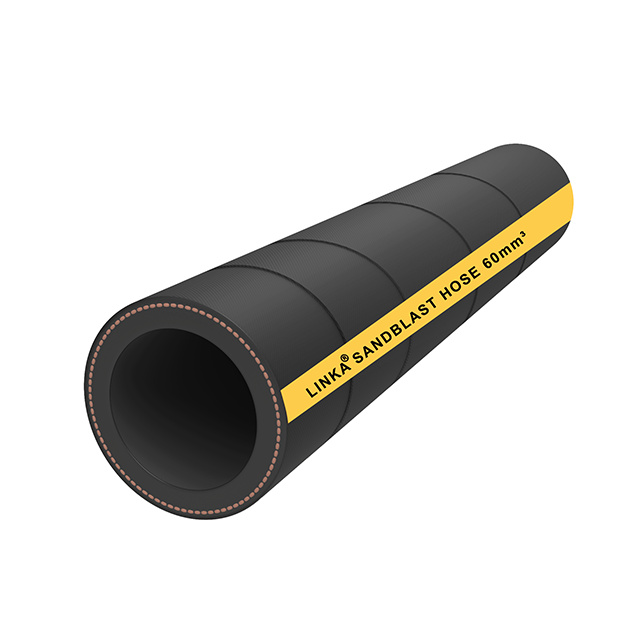
Industrial hoses play a vital role in manufacturing, construction, mining, and many other industrial sectors. These hoses move fluids, transfer materials, and safely handle gases and liquids in demanding environments. The industrial hose overview highlights the features, materials, and uses that set these products apart from other hose types.
Industrial hoses offer flexibility, durability, and resistance to temperature, pressure, and chemicals. Manufacturers design these hoses to withstand rough terrain, extreme weather, and constant abrasion. The outer layers often use tough materials like polyurethane to protect against sharp surfaces and frequent movement. Industrial hoses must resist UV rays, chemicals, and temperature extremes to maintain performance. Textile or synthetic reinforcement provides strength while allowing the hose to bend and flex.
Safety considerations remain essential in industrial settings. Hoses must meet strict standards to prevent leaks, bursts, and hazardous exposure to chemicals or gases. Regular testing, certification, and asset management systems help track hose condition and schedule timely replacements.
Industrial hoses differ from hydraulic hoses, which use multi-layered steel braiding for high-pressure environments. Hydraulic hose fittings, rubber hose, hydro steel hose, and stainless steel hose each serve specific applications, but industrial hoses balance flexibility and strength for moderate pressure tasks.
Manufacturers use a variety of materials to produce industrial hoses, each offering unique advantages for different applications. Common materials include rubber, SBR, NBR, EPDM, CR, and BR. These materials provide varying levels of chemical resistance, durability, and flexibility.
Material | Advantages |
|---|---|
Ultra-High Molecular Weight Polyethylene (UHMWPE) | Broad chemical resistance, odorless, tasteless, non-toxic, low moisture absorption, self-lubricating, highly abrasion resistant |
Cross-Linked Polyethylene (XLPE) | High impact strength, resistant to cracking and abrasion, withstands temperatures up to 150°F, solvent resistance |
Fluorinated Ethylene Propylene (FEP) | Low friction, high-temperature resistance, chemical inertness, suitable for moving chemicals |
Ethylene Propylene Diene Monomer (EPDM) | Resistant to weathering, ozone, chemicals; ideal for outdoor durability |
Rubber hose types such as NBR (nitrile) excel in oil and fuel resistance, making them suitable for hoses exposed to harsh chemicals. CR (neoprene) balances chemical and physical stress resistance, while EPDM stands out for outdoor and automotive uses due to its resistance to ozone and polar chemicals. SBR and BR offer general-purpose performance but less chemical resistance.
Industrial hoses serve many common applications across major industries. They transfer materials, move fluids, and handle gases and liquids safely. The following list shows how industrial hoses support manufacturing, construction, and other sectors:
Exhaust hoses vent hazardous gases like carbon monoxide in chemical plants and garages.
Breathing safety hoses provide clean air in hazardous environments, meeting strict safety standards.
Material transfer hoses move solids such as seeds, fertilizer, and raw materials in agriculture and food processing.
Drain hoses remove wastewater from machinery, resisting chemicals and temperature changes.
Boots, sleeves, and covers protect moving parts and workers, improving equipment life and safety.
Industry Sector | Common Applications of Industrial Hoses |
|---|---|
Manufacturing | Transporting materials, cooling machinery, powering air tools |
Chemical | Safe transfer of hazardous chemicals |
Construction | Pumping concrete, water removal, material movement on site |
Oil and Gas | Drilling operations, moving oil and gas, fluid handling |
Agriculture | Irrigation, pesticide spraying |
Food & Beverage | Hygienic transfer of food, beverages, and cleaning fluids |
LPG | Safe transport of liquefied petroleum gas |
Material Handling | Moving dry bulk materials like sand, gravel, cement, and asphalt |
Industrial hoses must meet safety standards such as SAE, ISO, and EN certifications. Proper labeling, traceability, and routine testing ensure compliance and operational safety. In mining and construction, hoses face hazards like abrasion, pressure surges, and chemical incompatibility. Selecting hoses with the right pressure ratings and chemical resistance, installing secondary containment, and training personnel help reduce risks. Regular inspections and timely replacements prevent failures and protect workers.
Industrial hoses remain essential for moving chemicals, transferring materials, and handling liquids and gases in industrial environments. Their design, materials, and safety features support reliable performance in manufacturing, construction, and other demanding applications.
A garden hose serves as a flexible tube designed for moving water in home and outdoor environments. Homeowners use this hose for a variety of applications, including watering gardens, cleaning patios, and washing vehicles. The right garden hose can make outdoor tasks easier and more efficient.
Garden hoses stand out for their flexibility, lightweight design, and ease of use. Many homeowners look for hoses that resist kinking, as kinks can block water flow and cause wear. Rubber hoses offer excellent flexibility and durability, making them suitable for larger gardens or frequent use. Expandable hoses provide a lightweight, space-saving option, but they require careful storage to prevent damage. Stainless steel braided hoses deliver superior strength and resist corrosion, ideal for demanding applications or hot climates. Hybrid hoses combine the best qualities of rubber and vinyl, balancing cost, strength, and flexibility.
Tip: Kink resistance and solid brass couplings improve the user experience and extend the hose's lifespan.
Manufacturers use several materials to produce garden hoses, each affecting durability and performance. The most common materials include rubber, vinyl (PVC), and reinforced plastics. Rubber hoses are thicker, heavier, and more durable, with high resistance to punctures, abrasion, and extreme weather. Vinyl hoses are lighter and more affordable, making them easy to handle and store, but they are less durable and more prone to kinking and UV damage. Hybrid hoses blend rubber and vinyl, offering a balance between flexibility and strength. Reinforced plastic hoses, often with woven or braided layers, provide extra durability and kink resistance, though they come at a higher price point.
Property | Rubber Hoses | PVC Hoses |
|---|---|---|
Flexibility | High | Moderate |
Durability | High | Moderate |
Kink Resistance | Excellent | Good |
Weather Resistance | UV, heat, cold | Less UV, good heat |
Lifespan | 5-10 years | 3-7 years |
Garden hoses support a wide range of applications around the home. The most common use involves watering lawns, flower beds, and vegetable gardens. Homeowners also use hoses for cleaning outdoor furniture, patios, and vehicles. Specialized hoses, such as soaker and sprinkler types, help with deep watering or surface irrigation. Proper storage and care can extend a hose's lifespan to 5-10 years. Storing hoses away from direct sunlight, draining water after use, and coiling them correctly prevents cracks, kinks, and pressure damage. Common problems include leaks, kinks, clogs, and cracks from sun exposure or heavy use. Choosing the right length and diameter ensures efficient water flow and makes handling easier.
A quality garden hose typically lasts between 5 to 10 years with proper care.
Proper storage away from sunlight prevents material degradation.
Coiling the hose correctly reduces kinks and cracks.
Draining water after use prevents internal pressure damage and freezing-related cracks.
Avoid dragging the hose by the nozzle to prevent connector damage.
Garden hoses remain essential for moving water and supporting many outdoor applications, from gardening to cleaning. Selecting the right hose material and features ensures reliable performance and long service life.
Industrial hoses and garden hoses serve different purposes and have distinct characteristics. Industrial hoses are built for demanding environments, such as factories, construction sites, and chemical plants. These hoses use materials like rubber, PVC, polyurethane, and nylon, often reinforced with layers of textile or steel wire. This construction allows them to handle higher pressures, extreme temperatures, and harsh chemicals. Industrial hoses may also include specialized linings for chemical resistance and durability.
Garden hoses, on the other hand, focus on flexibility and ease of use for outdoor tasks. They use materials such as rubber, PVC, polyurethane, or silicone but with less reinforcement. Garden hoses are lighter and easier to handle, but they do not withstand high pressures or harsh chemicals as well as industrial hoses.
Pressure ratings highlight a major difference. Industrial hoses can handle pressures up to 300 PSI, while hydraulic hoses, a type of industrial hose, may reach 2500 PSI or more. Garden hoses typically operate at pressures between 100 and 167 PSI, with burst strengths up to 500 PSI. This makes garden hoses suitable for watering and cleaning, but not for industrial applications.
Feature | Industrial Hoses | Garden Hoses |
|---|---|---|
Materials | Rubber, PVC, polyurethane, nylon (reinforced) | Rubber, PVC, polyurethane, silicone (less reinforced) |
Pressure Rating | Up to 300 PSI (hydraulic up to 2500 PSI) | 100–167 PSI (burst up to 500 PSI) |
Durability | High (resistant to chemicals, abrasion, temperature) | Moderate (resistant to UV, weather) |
Uses | Factories, chemical transfer, construction, mining | Watering, cleaning, light-duty tasks |
Selecting the correct hose improves efficiency and safety. For industrial hose selection, consider the following:
Application Needs: Identify if the hose will carry water, air, chemicals, or other materials.
Pressure Requirements: Match the hose to the system’s operating and burst pressures. Industrial hoses suit higher pressures, while garden hoses fit lower-pressure tasks.
Material Compatibility: Ensure the hose material resists the chemicals or fluids it will carry. For chemical transfer, check compatibility, temperature range, and reinforcement.
Flexibility and Length: Choose a hose that bends easily without kinking and fits the required space.
Environmental Factors: Consider exposure to UV, abrasion, and temperature extremes.
Tip: Ignoring pressure ratings, material compatibility, or environmental factors can lead to hose failure, leaks, or safety hazards. Always follow manufacturer guidelines and inspect hoses regularly.
Proper hose selection ensures long service life, reduces maintenance, and protects users from accidents. Industrial hoses require careful attention to pressure, chemicals, and durability, while garden hoses prioritize ease of use and flexibility for lighter applications.
Industrial hoses and garden hoses differ in durability, pressure ratings, and application. Industrial hoses handle harsh conditions and high pressures, while garden hoses suit lighter tasks. Choosing the correct hose prevents leaks, bursts, and system inefficiency.
Common failures include kinking, exposure to sun, and fluid incompatibility.
Regular inspection and proper storage extend hose lifespan.
Always match hose type to the job and check pressure ratings for safety.
Proper hose selection and maintenance protect equipment, improve efficiency, and ensure safety for users.
Industrial hoses handle higher pressures, chemicals, and extreme temperatures. Garden hoses work best for light tasks like watering and cleaning. Industrial hoses use stronger materials and reinforcements for safety and durability.
A quality garden hose lasts five to ten years with proper care. Storing it away from sunlight, draining after use, and avoiding sharp bends help extend its lifespan.
A garden hose cannot replace an industrial hose. Industrial tasks require hoses with higher pressure ratings, chemical resistance, and reinforced construction. Using the wrong type may cause leaks or safety hazards.
Rubber and reinforced plastics work well outdoors. Rubber resists weather and abrasion. Reinforced plastics offer lightweight strength. Vinyl hoses cost less but may crack or kink more easily.
Coil the hose properly after each use. Store it in a cool, shaded place. Use hoses with kink-resistant designs and solid brass fittings. Regularly check for damage and replace worn sections.


