Views: 0 Author: Site Editor Publish Time: 2025-08-29 Origin: Site

A commercial hose acts as a flexible tube for moving fluids, gases, or materials in many industrial settings. Many people use "commercial hose" and "industrial hose" interchangeably, but industry experts note that industrial hoses have advanced designs and safety features for harsh conditions. Industrial hoses often handle aggressive materials, meet strict standards, and use special materials to ensure safety and durability. Selecting the right industrial hose helps users meet demanding requirements and improve workplace safety. Understanding the differences between hoses lets buyers choose products that fit their needs.
Industrial hoses are strong, flexible tubes designed to move fluids, gases, and materials safely in tough environments like factories and construction sites.
Different hose types serve specific needs, such as chemical transfer, food safety, air delivery, and material handling, so choosing the right hose is crucial for safety and efficiency.
Selecting the right hose depends on size, temperature, pressure, chemical compatibility, and connection type to ensure long-lasting and reliable performance.
Regular inspection and proper maintenance, like avoiding sharp bends and storing hoses indoors, help prevent failures and extend hose life.
Using certified hoses and following safety standards protects workers, reduces downtime, and keeps industrial operations running smoothly.
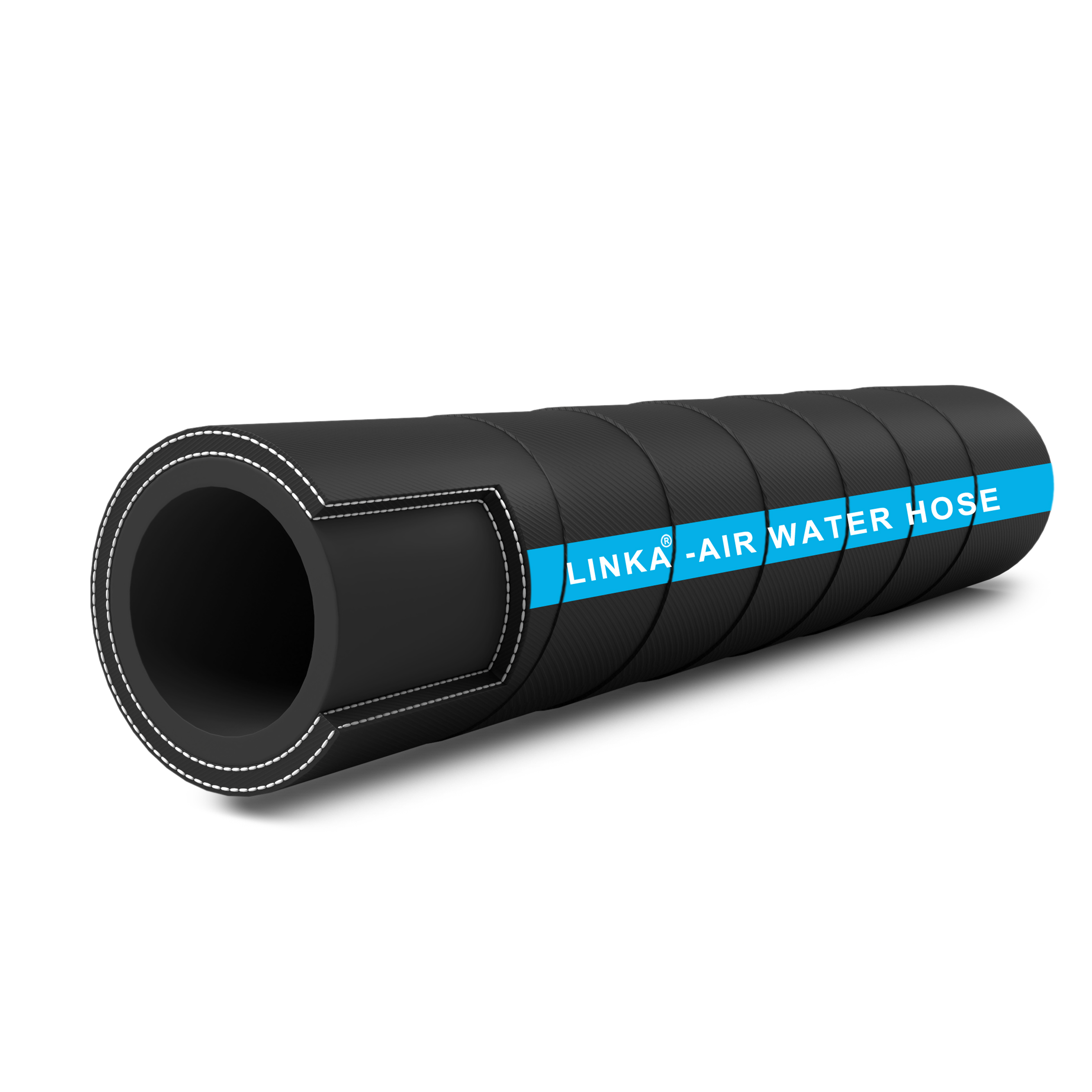
An industrial hose is a flexible tube designed for transferring fluids, gases, or bulk materials in demanding environments. These hoses play a vital role in manufacturing, chemical processing, construction, oil and gas, and agriculture. Industrial hoses feature reinforced layers made from metals or fabrics, which allow them to withstand high pressure, extreme temperatures, and exposure to harsh chemicals. Their main functions include moving water, oil, chemicals, steam, and air, supporting machinery cooling, and powering pneumatic tools.
Industrial hoses are essential for bulk fluid transfer, including oil and sewage. Their adaptability allows them to meet specific operational needs based on material compatibility and environmental conditions.
Industry Sector | Main Functions and Uses of Industrial Hoses |
|---|---|
Manufacturing | Transfer of materials, machinery cooling, powering pneumatic tools |
Chemical Processing | Safe conveyance of corrosive and hazardous chemicals |
Construction | Concrete pumping, dewatering, material transfer |
Oil and Gas | Drilling operations, fluid management, transferring oil and gas |
Agriculture and Farming | Irrigation, pesticide and chemical application |
Industrial hoses stand out due to their construction, durability, and performance in harsh environments. Manufacturers use materials such as rubber, PVC, polyurethane, thermoplastics, fluoropolymers, silicone, and stainless steel to build hoses that resist abrasion, chemicals, and weathering. These materials provide flexibility, strength, and safety for different applications.
Rubber hoses offer versatility and crush resistance, making them suitable for heavy-duty tasks.
Thermoplastic hoses, such as nylon, handle pressure impulses and vibrations well.
Fluoropolymer hoses, including PTFE, PFA, and FEP, provide chemical resistance and easy cleaning for sanitary uses.
Silicone hoses deliver flexibility and sanitary properties for food and pharmaceutical industries.
Stainless steel hoses withstand extreme temperatures and offer low permeation, ideal for aggressive environments.
Industrial hoses often feature reinforcement, such as braided or spiral-wound layers, to increase strength and flexibility. Manufacturers test hoses for burst pressure, tensile strength, aging resistance, and structural integrity. Quality standards like ISO 9001 and API guidelines ensure consistent safety and performance.
Pressure ratings for industrial hoses often exceed 4,000 PSI, with burst pressure safety factors of 4:1 or higher.
Temperature ranges vary widely, with some hoses operating from −325° to 850°F.
Chemical and abrasion resistance allow hoses to perform in mining, oil and gas, and wastewater sectors.
Customization options include diameter, length, fittings, and hose type to match operational needs.
Tip: Proper installation, regular inspection, and maintenance extend the lifespan and reliability of industrial hoses.
Industrial hoses differ from consumer-grade hoses in several key areas. Industrial hoses use robust materials and reinforced construction to handle higher pressures, longer daily usage, and exposure to harsh chemicals. Consumer hoses focus on flexibility and ease of use but lack the durability and resistance needed for industrial applications.
Application Type | Pressure Rating (PSI) | Daily Usage (hours) | Key Features |
|---|---|---|---|
Residential | 2,000-3,000 | 1-3 | Lightweight, flexible, easy storage |
Commercial | 3,000-4,000 | 6-8 | Abrasion resistant, chemical compatible |
Industrial | 4,000+ | 8+ | Maximum durability, temperature resistant |
Industrial hoses typically last between 5 to 15 years, depending on the material and operating conditions. EPDM hoses often last 8 to 10 years, while NBR hoses last 5 to 8 years. Consumer hoses have shorter lifespans due to lighter materials and less reinforcement. Factors such as temperature, pressure, chemical exposure, and UV resistance influence hose longevity.
Industrial hoses are engineered for safety and reliability in demanding environments.
Consumer hoses are suitable for light-duty tasks around homes and gardens.
The types of industrial hoses available allow users to select products tailored to specific needs, ensuring safe and efficient operation in manufacturing, chemical processing, construction, and other sectors.
Industrial operations rely on many types of industrial hoses. Each hose type serves a specific purpose and meets unique industry needs. The following table summarizes the main types and their primary uses:
Hose Type | Primary Applications and Characteristics |
|---|---|
Multipurpose Industrial Hose | Air, water, mild chemicals; general multipurpose hose for transfer and pneumatic tools; 200-300 PSI, -40°F to 210°F |
Air Hoses | Air, water, mild chemicals; rock drills, air/water transfer; pressure up to 600 PSI |
Chemical Hoses | Transport harsh chemicals; synthetic linings, steel wire helix; higher chemical resistance |
Food and Beverage Hoses | Meet FDA, USDA, sanitary standards; beverage and food hose for safe transfer of food, beverage, and packaging materials |
Material Handling Hoses | Move abrasive materials like sand, gravel, cement; abrasion-resistant lining; heavy-duty use |
Petroleum and Oilfield Hoses | Oil transmission hose for petroleum, fracking slurries; withstands chemicals, weather, temperature changes |
Water Hoses | Hot and cold water transfer; irrigation, cleaning, waste processing |
Multipurpose industrial hose handles air, water, and some mild chemicals. This general multipurpose hose works in construction, manufacturing, and agriculture. It powers pneumatic tools and supports washdown operations. Most multipurpose industrial hoses operate at 200-300 PSI and temperatures from -40°F to 210°F. These hoses offer flexibility and durability for daily tasks.
Air and water hose types serve many industries. Air hoses deliver pressurized air to pneumatic machines, compressors, and tools. Water hose products move water for cleaning, irrigation, and cooling. Both hoses resist oil and abrasion. Industries such as construction, agriculture, and beverage production use these hoses for tasks like washing machinery, watering crops, and beverage processing. Hot water and steam hose options exist for high-temperature cleaning.
Chemical hose products transport aggressive fluids, including acids and solvents. These hoses use synthetic linings and steel wire for higher chemical resistance. Petroleum hoses, such as oil transmission hose, handle fuels and oils in oilfields and refineries. Standards like SAE J2027 and EN 12115 ensure safety for transportation of acidic chemical products. Chemical hose options must resist swelling, cracking, and loss of strength.
Food and beverage hoses meet strict safety standards. Manufacturers use non-toxic, smooth materials to prevent contamination. Beverage and food hose products must comply with FDA, USDA, and 3-A Sanitary Standards. These hoses transfer milk, juice, beer, and other beverage products. PTFE and silicone materials help maintain hygiene and withstand frequent cleaning.
Material handling hoses move abrasive solids such as sand, gravel, cement, and pelletized fertilizer. Dry bulk material hose products feature abrasion-resistant rubber or polyurethane linings. Industries use these hoses for bulk transfer in mining, construction, and agriculture. Material transfer hoses must handle rough materials without wearing out quickly.
Tip: Selecting the right types of industrial hoses ensures safe, efficient, and long-lasting performance in every application.
Industrial hoses play a vital role in industrial fluid systems. They enable controlled movement of liquids and gases for process automation. LGG Industrial uses expert analysis to select the best hose configurations for these systems. Manufacturers produce hoses with automated cutting and crimping equipment, then test each hose for connection integrity and reliability. This careful process ensures consistent performance and reduces downtime in automated production. Hoses connect with fittings and assemblies to maintain system integrity, supporting efficient fluid transfer and process control.
Note: Reliable hoses in industrial fluid systems help companies achieve higher operational efficiency and minimize interruptions.
Hoses serve as flexible conduits in power transmission applications. Hydraulic hoses transmit fluid under high pressure, allowing machines to lift, push, and pull heavy loads. These hoses provide flexibility and abrasion resistance, which are essential for safety and durability. Hydraulic systems in construction, agriculture, mining, and automotive industries rely on hoses to deliver power efficiently. Manufacturers design hoses to withstand harsh conditions and maintain structural integrity, making them indispensable for power transmission.
Material transport depends on hoses to move solids, liquids, and gases. Industries use hoses for transferring concrete, sand, chemicals, and water. Dock and barge hose products support bulk transfer in marine and shipping operations. Hoses must meet strict standards for pressure, durability, and safety. Material handling hoses feature abrasion-resistant linings to handle rough materials without wearing out quickly. These hoses help companies move products efficiently and safely.
Many industries rely on hoses for critical applications. The largest consumers include:
Industry Sector | Key Applications/Uses |
|---|---|
Oil and Gas | Fuel transfer, chemical transfer, refinery operations |
Chemical Processing | Corrosive chemical handling |
Food and Beverage | Safe transfer, sanitation |
Construction and Mining | Concrete placement, dust control |
Agriculture | Irrigation systems |
Marine | Fuel transfer |
Power Generation | Cooling systems |
Water and Wastewater | Management |
Automotive and Transport | Air intake, exhaust systems |
HVAC Systems | Various hose applications |
Industrial Manufacturing | Hydraulic systems |
These industries use hoses for fluid transfer, power transmission, and material handling. Industrial fluid systems, hydraulic machinery, and dock and barge hose products support a wide range of applications, making hoses essential for modern operations.
Selecting the right industrial hose requires careful consideration of several factors. The STAMPED method helps guide hose selection for different applications. Each letter stands for a key criterion:
Criterion | Explanation |
|---|---|
Size | Includes inner diameter, outer diameter, and length. Proper sizing avoids extra bends and abrasion. |
Temperature | Hose materials must withstand both fluid and ambient temperatures. |
Application | Usage requirements and environmental factors determine hose type. |
Medium | Chemical compatibility with the substance conveyed is critical. |
Pressure | Working and surge pressures affect hose material and bending radius. |
Ends | Coupling types should ensure secure connections and minimize leaks. |
Delivery | Availability of samples and expert guidance supports optimal hose selection. |
Engineers assess mechanical loads, routing constraints, and abrasion resistance. They verify chemical compatibility using resistance charts and manufacturer specifications. Pressure ratings must exceed system requirements to prevent premature failure. Consulting experts improves hose selection, especially for complex environments.
Tip: Proper hose selection reduces downtime, safety risks, and unexpected costs.
Safety and compliance play a major role in industrial hose selection. Hoses must meet industry standards such as ISO, EN, and SAE. Regular testing and certification confirm that hoses perform safely under pressure and temperature extremes. Documentation includes maintenance logs, test records, and certification details. Digital asset management systems track inspection history and compliance status.
Common compliance issues include using the wrong hose type, ignoring fuel compatibility, and skipping proper documentation. These mistakes can lead to leaks, system failures, and regulatory penalties. Routine inspections and proactive replacement help maintain safety and reliability.
Note: Certified hoses with proper labeling and documentation support regulatory compliance and workplace safety.
Maintaining industrial hoses extends service life and ensures safe operation. Follow these best practices:
Store hoses indoors in dry, shaded areas to prevent UV and moisture damage.
Avoid sharp bends and kinks by using wide loops or hose reels.
Keep hoses off the ground to reduce abrasion and contamination.
Protect hose ends with caps or plugs.
Inspect hoses regularly for abrasions, cuts, bulges, leaks, and corrosion.
Clean hoses using methods compatible with their materials.
Operate hoses within specified pressure and temperature ratings.
Replace worn or damaged hoses promptly.
Improper installation, over-pressurization, and lack of regular inspection are frequent causes of hose failure. Routine maintenance and timely replacement prevent costly downtime and safety hazards.
Regular maintenance and inspection help detect early signs of wear, ensuring hoses remain safe and reliable for all applications.
Industrial hoses support critical operations in manufacturing, construction, and agriculture. Choosing the right industrial hose depends on pressure, temperature, chemical compatibility, and application needs. Regular inspections and proper maintenance help prevent failures and extend hose life.
Always match hose materials, such as rubber hose or stainless steel hose, to the environment and fluid type.
Consult experts for guidance on hydraulic hose fittings or custom hydro steel hose solutions.
Explore product guides, industry standards, and instructional videos for more information.
Staying informed about new technologies and best practices ensures safe, efficient, and reliable industrial hose performance.
Industrial hose uses stronger materials like rubber hose or stainless steel hose. It handles higher pressure and harsh chemicals. Garden hoses work for light tasks at home. Industrial hose supports factories, construction, and heavy-duty jobs.
Hydraulic hose fittings connect industrial hose to machines or pumps. They create a tight seal to prevent leaks. These fittings come in many sizes and shapes. Workers choose the right fitting for each hydraulic hose to ensure safe operation.
Hydro steel hose works best for high-pressure or high-temperature jobs. It resists corrosion and lasts longer in tough environments. Rubber hose offers flexibility and handles lower pressures. Each type fits different industrial hose needs.
Yes, some industrial hose products meet FDA and USDA standards. Food and beverage hoses use materials like silicone or PTFE. These hoses prevent contamination and allow easy cleaning. Always check for proper certification before use.
Workers should inspect industrial hose regularly for cracks, leaks, or wear. Most experts suggest checking hoses monthly. Replace any damaged hose right away. Proper maintenance keeps hydraulic hose fittings and all hose types safe and reliable.


