Views: 0 Author: Site Editor Publish Time: 2026-08-21 Origin: Site
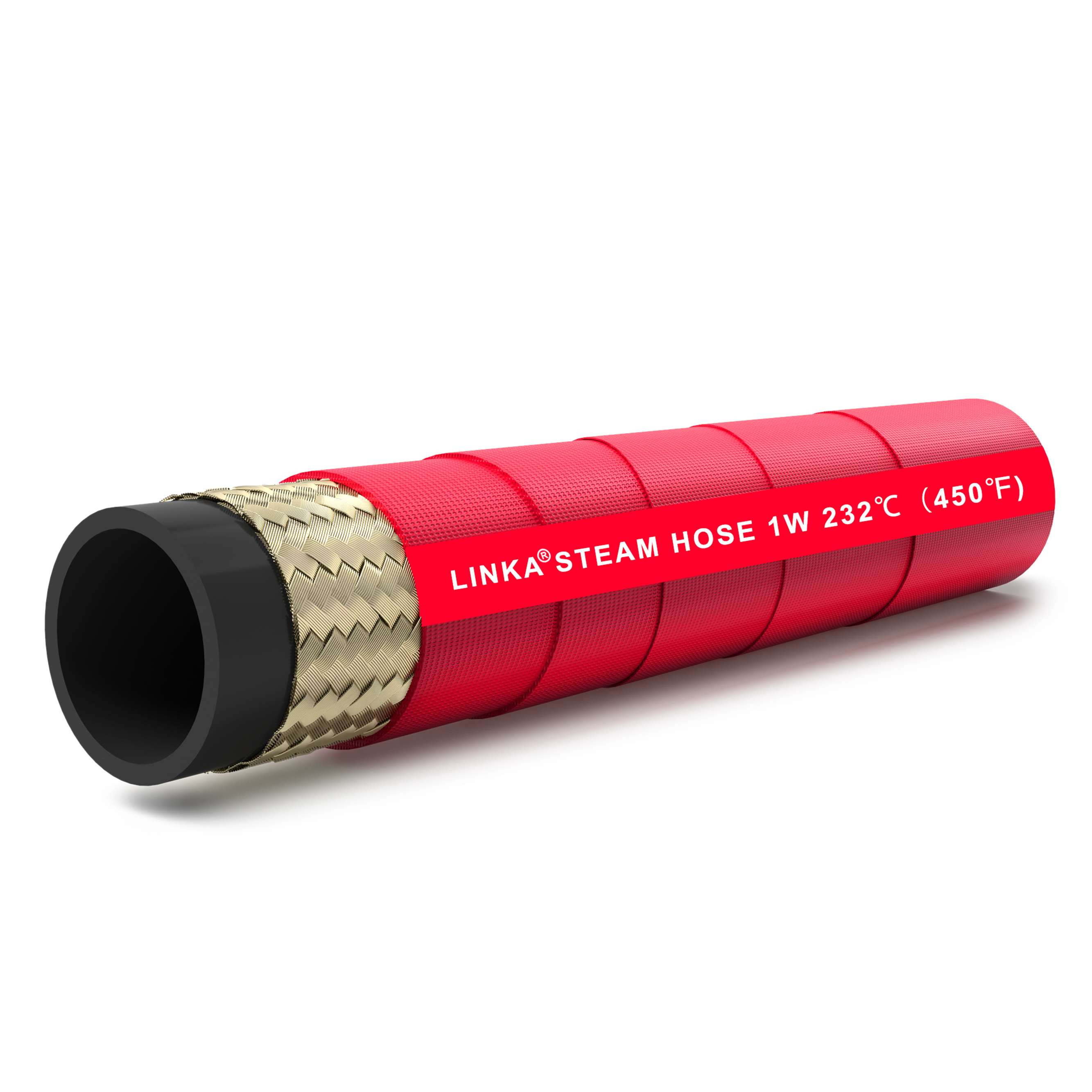
Industrial environments face high replacement costs and severe safety risks due to premature equipment failure. A sudden blowout disrupts daily operations. It also puts frontline operators in direct danger. Even premium equipment degrades rapidly if you ignore standard operating procedures. Proper draining after depressurization remains the most critical step for maintaining these assets.
When operators leave condensate inside the tube, intense physical and chemical reactions occur upon reheating. This residual moisture actively destroys the internal layers of the assembly. Proper maintenance acts as a non-negotiable safeguard for workplace safety and continuous production.
We will explore the mechanics behind this rapid degradation. You will learn the specific safety hazards tied to poor maintenance. We will also discover actionable protocols to prevent these failures. By implementing strict draining habits, facilities can dramatically improve equipment longevity and protect their workforce.
Trapped condensate absorbs into the rubber inner tube; rapid reheating causes a destructive phenomenon known as "popcorning."
Pooled water can freeze during downtime, leading to structural micro-fractures in the hose wall.
Proper draining protocols extend the lifecycle of an industrial steam transfer hose, maximizing procurement ROI.
Selecting the correct hose material (EPDM vs. Chlorobutyl) dictates how forgiving the hose will be to maintenance inconsistencies.
Residual steam cools rapidly once you shut off the primary supply valve. This cooling process forces the gas to condense back into liquid water. The inner lining of a heat resistant rubber hose features a microscopic porous structure. Over time, the trapped water permeates these tiny pores. It settles deep within the rubber matrix. The longer the water sits in the tube, the deeper it absorbs into the elastomer. This unseen moisture absorption sets the stage for catastrophic failure during the next operational cycle.
The true danger begins when you re-pressurize the system. High-pressure steam rushes back into the assembly. It immediately transfers intense heat to the inner tube. The trapped water inside the rubber pores absorbs this thermal energy instantly. Water expands roughly 1600 times its original volume when it flashes into vapor. This volumetric explosion happens in a fraction of a second. The rubber cannot contain this massive internal expansion. The expanding gas forces its way out, tearing the rubber apart from the inside.
Routine maintenance inspections often reveal the aftermath of this expansion. We call this the "popcorning" effect. You will notice distinct blisters forming along the inner tube. These blisters resemble popped corn kernels. In severe cases, chunks of rubber actually blow completely out of the lining. These detached rubber pieces travel downstream. They clog valves, contaminate products, and ruin sensitive equipment. If you see a rough, pitted surface inside the tube, popcorning has already compromised the structural integrity.
You must view popcorning as more than a simple maintenance error. It serves as a critical evaluation metric for equipment lifespan. A compromised inner tube leads directly to premature replacement. The reinforcement layers lose their protective barrier. Frequent replacements drain maintenance budgets. They also force unnecessary equipment downtime. By tracking popcorning incidents, you can directly measure how well your team follows post-use draining protocols. Proper draining entirely prevents this physical destruction.
Trapped water creates dangerous physical blocks inside the assembly. Liquid water does not compress. When an operator suddenly opens a supply valve, the incoming gas slams into this pooled water. This creates a severe water hammer effect. The water mass accelerates through the tube like a projectile. It violently strikes fittings and bends. This action generates massive, localized pressure spikes. These spikes easily exceed the maximum working pressure of a standard Steam Hose. The resulting shockwave destroys couplings and fractures internal reinforcement layers.
A weakened inner liner presents extreme hazards to nearby operators. High-temperature gas expands violently upon release into the atmosphere. If the pressure spike ruptures the outer cover, the results are devastating. Operators face immediate exposure to scalding temperatures. The concussive force of a blowout can cause severe physical trauma. Unpredictable whipping movements often follow a rupture. This puts anyone in the immediate vicinity at risk of serious injury. Preventing these ruptures relies entirely on removing the trapped liquid beforehand.
Industrial safety organizations take pressurized high-temperature hazards very seriously. General workplace safety guidelines, such as those outlined by OSHA, mandate strict handling procedures. Facilities must implement and enforce standard operating procedures for hazardous fluids. Draining residual liquid ensures compliance with these broader safety mandates. It demonstrates a commitment to hazard mitigation. Regular safety audits often look for documented maintenance protocols. A clear draining policy keeps your facility compliant. It also fosters a safety-first culture among your maintenance personnel.
Outdoor operations face unique challenges during winter months. Unheated industrial settings present similar risks. Leftover condensate pools at the lowest points of the assembly. When temperatures drop, this pooled water freezes solid. Ice expands as it forms. This rigid expansion presses outward against the inner tube. It creates microscopic cracks in the rubber layers. Over a long winter season, repeated freeze-thaw cycles completely destroy the flexibility of the material. The inner liner becomes brittle and heavily compromised.
These micro-cracks introduce a secondary, hidden threat. The inner liner acts as a barrier protecting the reinforcement layers. Once the liner cracks, moisture seeps into the steel wire braids. Steel corrodes rapidly when exposed to water and heat. This hidden rust eats away at the structural backbone of the assembly. The outer cover might look perfectly intact. However, the internal wire reinforcement silently degrades. This corrosion severely lowers the burst pressure rating. It inevitably leads to sudden, unexpected failures during normal operation.
An unexpected blowout creates a cascade of business disruptions. Production halts immediately. Emergency shutdown procedures take over. Maintenance teams must drop scheduled tasks to address the blowout. The facility faces emergency cleanup costs. Safety managers must file detailed incident reports. Finding a replacement assembly delays production further. These compounding delays cause severe operational friction. Implementing a simple draining routine takes minutes. Recovering from an unexpected blowout takes hours or even days. Prevention directly supports continuous operational efficiency.
Creating a consistent draining routine prevents most moisture-related failures. Every operator must follow a standardized process. We recommend implementing the following step-by-step framework to ensure complete liquid evacuation.
Close the primary supply valve: Secure the main heat source entirely before touching the assembly.
Vent residual pressure: Open the downstream valve to release all trapped gas into a safe area.
Allow for initial cooling: Let the assembly cool for several minutes to prevent handling burns.
Disconnect the assembly: Carefully detach the couplings from the main manifold and the tool.
Elevate one end: Lift one end of the industrial steam transfer hose to allow gravity to pull the liquid out of the lowest point.
Proper storage remains just as important as the draining process itself. Never coil an assembly and leave it directly on the floor. Coiling creates low spots where residual moisture becomes trapped. Instead, utilize specialized storage solutions. Store the equipment on sloped racks or hanging saddles. Ensure the entire length maintains a downward angle. Gravity continues to pull moisture out during storage. Keep the ends uncapped in a dry environment. This allows internal airflow to evaporate any remaining microscopic water droplets.
Operators must inspect the equipment visually and tactilely before every use. Look closely at the outer cover. Search for deep cracks, exposed wire, or hardened spots. Run your hands along the length. Check for soft spots or bulges, as these indicate internal popcorning. Inspect the ends near the fittings. Ensure the couplings show no signs of slippage or weeping. If you detect any of these warning signs, remove the equipment from service immediately. A proactive inspection catches failures before they cause operational harm.
Choosing the correct elastomer significantly impacts maintenance forgiveness. EPDM offers excellent dry heat resistance. It remains flexible in harsh conditions. However, EPDM is slightly more porous. It suffers faster degradation if operators skip the draining process. Chlorobutyl offers superior resistance to moisture permeation. It blocks water from absorbing into the rubber matrix. This makes Chlorobutyl much more forgiving if a team occasionally forgets to drain the line. Both materials excel, but your choice should align with your specific environmental challenges.
Table: Material Comparison for Steam Applications
| Elastomer Type | Heat Resistance | Moisture Permeation | Maintenance Forgiveness |
|---|---|---|---|
| EPDM | Excellent | Moderate | Low (Requires strict draining) |
| Chlorobutyl | Very Good | Excellent (Low absorption) | High (More forgiving to pooled water) |
The industry uses strict color-coding to prevent misapplication. You will typically see a red steam hose deployed for superheated applications. The bright red cover serves as a universal warning. It tells operators they are handling extreme temperatures. Black covers generally handle standard saturated applications. Mixing these up causes rapid failure. A black cover might melt or harden under superheated conditions. Training your team on these visual cues ensures they connect the right equipment to the right manifold.
The safest inner tube means nothing if the fittings fail. A high temperature steam hose requires specialized coupling methods. You must use crimped or swaged interlocking couplings. These fittings bite deeply into the wire reinforcement. They create a mechanical lock that prevents separation. Never use basic band clamps or standard worm-gear clamps. These weak clamps loosen as the rubber expands and contracts from thermal cycling. They will inevitably blow off under high pressure. Always trust certified, permanently attached fittings for these applications.
Frame your final purchasing decision around practical longevity and facility habits. Balancing upfront material choices against actual durability determines your success. If you know your facility struggles with strict maintenance routines, invest heavily in highly impermeable materials like Chlorobutyl. Evaluate how your team handles equipment daily. Align your procurement strategy with these realities. Choosing the right fittings and elastomers prevents early degradation. This strategic alignment guarantees continuous production and maximizes the operational lifespan of your critical assets.
Draining your equipment after use remains completely non-negotiable. This simple action preserves structural integrity and prevents internal physical destruction. Removing trapped condensate eliminates the risk of popcorning and structural micro-fractures. It also ensures operator safety by preventing sudden blowouts and massive pressure spikes. Proper material selection adds an extra layer of defense, but it does not replace the need for routine maintenance.
You must take immediate action to protect your operations. First, audit your current inventory for any signs of internal blisters or external cover damage. Second, review your facility's post-use standard operating procedures with your frontline operators. Finally, ensure you utilize proper storage racks that promote gravity-assisted liquid evacuation. Upgrading your maintenance habits today prevents catastrophic accidents tomorrow.
A: Popcorning happens when trapped water absorbs into the rubber inner liner. During the next use, incoming high temperatures flash this water into gas. The gas expands rapidly, tearing the rubber. This creates blisters and blows chunks of rubber out of the liner, severely weakening the assembly.
A: We strongly advise against using compressed air. Introducing cold compressed air too rapidly causes thermal shock to the heated rubber. This degrades the inner tube. Gravity draining remains the safest, most effective method for evacuating residual moisture without causing temperature-related stress.
A: Lifespan does not depend on a fixed calendar date. It relies entirely on operating pressure, fluid temperature, and strict adherence to draining protocols. A well-maintained assembly drained after every use can last significantly longer than a premium assembly subjected to constant condensate pooling.
A: No. Dry heat resistance differs completely from saturated or superheated resistance. Standard high-temperature assemblies handle hot air or dry materials. They lack the specific impermeable elastomers required to withstand moisture absorption and the violent expansion phases of pressurized gas.


