Views: 0 Author: Site Editor Publish Time: 2026-08-02 Origin: Site

Maintaining separate lines for every utility station in a large facility creates massive inventory bloat and operational headaches. Plant managers and maintenance engineers face a constant battle. You want to standardize equipment to streamline logistics, but you also have to handle compressed air, industrial water, and nitrogen safely. You cannot risk material degradation, cross-contamination, or toxic chemical leaching on the factory floor. Consolidating these separate lines into a multipurpose Air Water Hose offers a highly practical strategy. This approach simplifies maintenance carts, reduces storage requirements, and speeds up deployment during outages. However, it demands a rigorous technical evaluation. You must determine if one specific hose construction can safely meet the demands of multiple plant utilities without compromising safety, flow rates, or long-term performance. We will evaluate the engineering requirements to see if consolidation works for your specific site conditions.
Standardization vs. Specificity: A high-quality multipurpose hose can handle standard plant air and water applications, significantly reducing inventory, but falls short for specialized media like high-pressure steam or aggressive chemicals.
Material Matters: The viability of consolidation depends heavily on the tube and cover compounds; EPDM or specialized synthetic rubber blends offer the necessary resistance to both moisture and mild compressor oils.
Toxicity and Compliance: Standard PVC hoses often contain elevated levels of lead, phthalates, and other heavy metals. Utilizing clean, vulcanized rubber compounds is critical for facilities adjacent to agriculture, food service, or potable water systems.
Safety Through Systems: Using one hose type across utilities requires strict administrative controls, such as standardized color-coding and incompatible coupling systems, to prevent dangerous cross-connections between air, water, steam, and nitrogen lines.
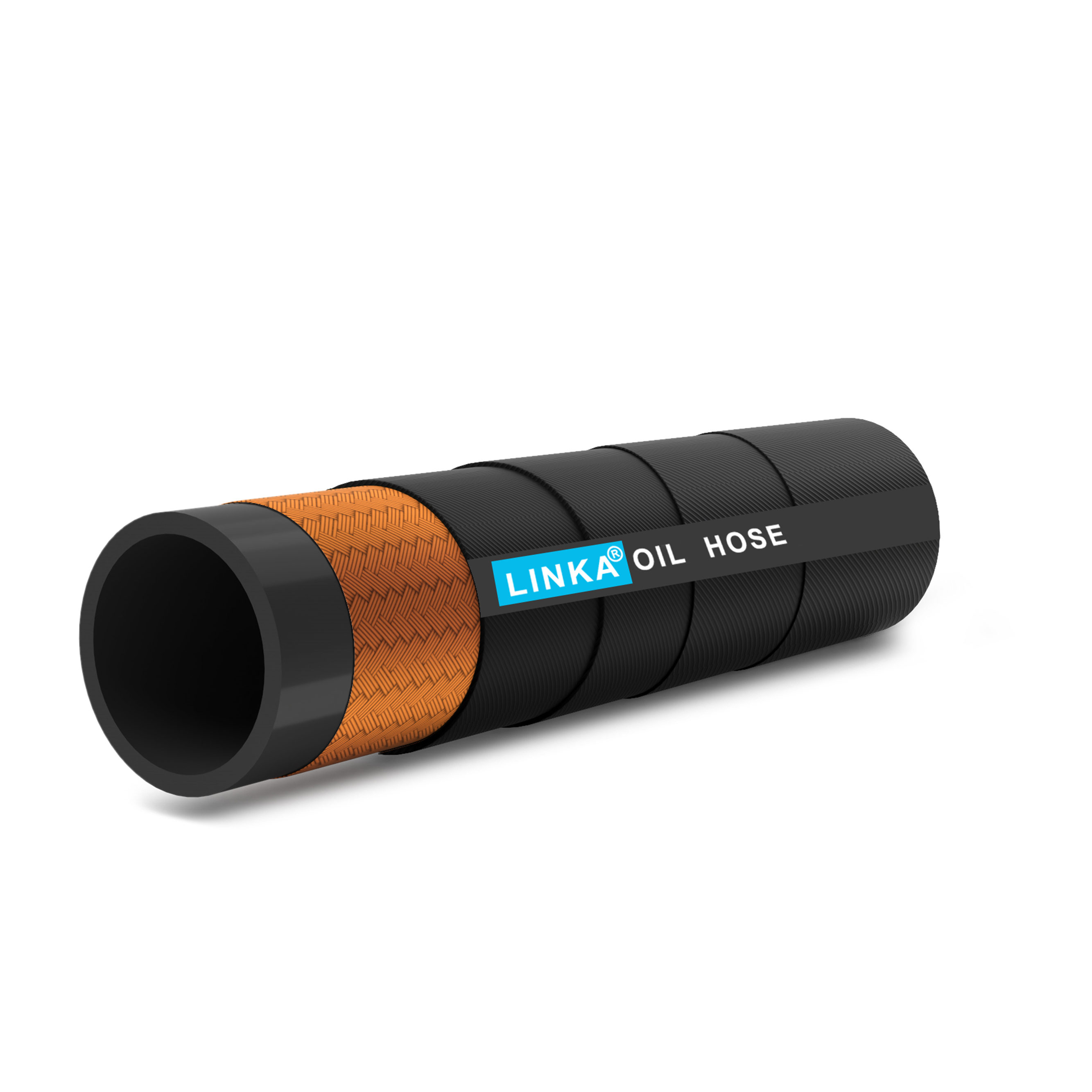
A standard multipurpose hose relies on specific construction parameters to handle varying internal and external stresses. It typically features a synthetic rubber tube, high-tensile textile reinforcement, and a weather-resistant cover. This design handles non-corrosive, moderate-pressure applications efficiently. The inner tube resists mild degradation from internal fluids, while the outer cover withstands physical abrasion and environmental exposure. Engineers specify these hoses to bridge the gap between dedicated pneumatic lines and fluid transfer systems. When you walk a plant floor, you see these hoses connecting drop lines to pneumatic tools, washdown nozzles, and temporary fluid transfer pumps. The reinforcement layer, usually braided or spiraled synthetic yarn, provides the structural integrity needed to prevent ballooning under pressure while maintaining flexibility for the operator.
To understand the baseline capabilities, we must look at the material science behind the construction. Manufacturers blend different elastomers to achieve a balance of properties. A pure natural rubber hose offers great flexibility but fails quickly when exposed to oil or ozone. Therefore, modern multipurpose hoses use synthetic blends. These blends ensure the hose remains pliable in cold weather while resisting the heat generated by compressed air friction. The cover material is equally important. It must survive being dragged across rough concrete, exposed to welding sparks, and subjected to chemical spills without degrading.
Heavy manufacturing and refinery utility stations supply plant air, nitrogen, and industrial water from centralized headers. These environments demand robust, standardized routing solutions. You cannot afford to have operators searching for a specific hose type during an emergency washdown or a sudden pneumatic tool deployment. Conversely, large-scale agricultural, marine, and construction setups require high mobility and extreme weather resistance. Despite these differences, the baseline requirements for fluid routing remain remarkably similar across sectors. A centralized utility station benefits massively from standardized connections, allowing operators to deploy hoses rapidly across different zones without second-guessing compatibility.
Setting up a standardized utility station requires a systematic approach. You must ensure that the infrastructure supports the multipurpose hose strategy. Here are the standard steps for configuring a multi-utility drop station:
Install dedicated hard-piped headers for air, water, and nitrogen, bringing them to a centralized drop point.
Equip each drop point with a high-quality isolation valve and a pressure regulator to control output.
Attach incompatible quick-disconnect fittings to each utility line to prevent accidental cross-connection.
Mount heavy-duty hose reels or storage racks adjacent to the drop point to keep hoses off the floor.
Label each connection point clearly with the utility name, maximum pressure, and required PPE.
Deploy the standardized multipurpose hose, ensuring it is fitted with the correct mating coupler for the intended utility.
Diverse industries share overlapping core requirements. Landscaping, farming, marine operations, and construction all prioritize durability, flexibility, and pressure rating. A marine deck requires heavy-duty washdown capabilities to remove salt spray, but it also needs pneumatic tool support for needle scalers and impact wrenches. Construction sites need reliable water supply for concrete dust suppression and compressed air for jackhammers. Standardizing on a single hose specification across these sectors streamlines operations. It reduces the likelihood of deploying the wrong equipment for a critical task. When a contractor only stocks one type of high-grade hose, they eliminate the risk of a worker accidentally grabbing a low-pressure garden hose for a high-pressure air application.
Typical plant air and water systems operate within baseline working pressures of 150 to 300 PSI. Hoses must sustain these pressures continuously without ballooning, weeping, or bursting. You must account for pressure spikes, especially in water systems where sudden valve closures cause water hammer. Temperature limitations also dictate material selection. Standard rubber compounds handle ambient compressed air easily. However, exposing these same compounds to hot water washdowns accelerates thermal degradation. Engineers must verify the maximum temperature rating of the hose assembly to ensure it withstands peak operational heat. If your plant uses 180°F water for sanitation, a standard 140°F rated hose will fail prematurely, hardening and cracking from the inside out.
Compressed air also presents unique temperature challenges. As air compresses, it heats up significantly. If the hose connects directly to the compressor discharge without an aftercooler, the internal temperatures can easily exceed the limits of standard rubber. You must ensure the air cools to ambient temperatures before it enters the flexible hose routing system. Always check the manufacturer's layline for the specific temperature and pressure ratings, and never exceed them, even for short durations.
Structural needs differ based on the media. A dedicated rubber air hose must resist oil mist carryover from lubricated compressors. Oil degrades standard natural rubber, causing swelling, softening, and eventual blowout failure. Conversely, an industrial water hose must resist internal degradation from continuous moisture. Agricultural settings introduce the risk of algae and bacteria buildup inside the tube. EPDM and Nitrile blends bridge this gap effectively. Nitrile provides excellent oil resistance, making it suitable for air lines with lubricators. EPDM offers superior weather, ozone, and moisture resilience, making it ideal for outdoor water applications.
| Elastomer Type | Oil Resistance | Water/Moisture Resistance | Ozone/Weather Resistance | Best Application |
|---|---|---|---|---|
| Natural Rubber | Poor | Good | Poor | Dry, indoor, non-oily environments |
| EPDM | Poor to Fair | Excellent | Excellent | Outdoor water, agricultural, non-lubricated air |
| Nitrile (Buna-N) | Excellent | Good | Fair | Lubricated compressed air, oily environments |
| Neoprene | Good | Good | Good | General multipurpose, mixed environments |
| PVC | Fair | Excellent | Good | Light-duty water, non-critical air (prone to temperature failure) |
Low-grade PVC utility lines present severe material safety risks. They often contain toxic chemical contaminants like lead, bromine, antimony, and phthalates used as plasticizers. These chemicals leach into the fluid stream over time, especially when exposed to UV light or elevated temperatures. Facilities serving agriculture, landscaping, or food service require strict selection criteria. You cannot use a standard shop hose to supply water to a food processing line or a livestock trough. Drinking-water safe or FDA-compliant rubber compounds are mandatory in these environments. Utilizing clean, vulcanized rubber prevents contamination and ensures regulatory compliance. Always demand material safety data sheets (MSDS) and compliance certificates when purchasing hoses for sensitive applications.
Internal friction reduces system efficiency. A smooth air water hose inner tube minimizes friction loss. This ensures consistent CFM (Cubic Feet per Minute) for pneumatic tools and adequate GPM (Gallons per Minute) for washdown applications. Extended runs of 50 or 100 feet introduce significant pressure drops. Calculating these drops requires analyzing the inner diameter, the flow rate, and the internal surface roughness. Zoning or multi-faucet manifolds help maintain optimal line pressure across large facilities, preventing tool starvation at the end of the line. If you run a 1/2-inch hose for 100 feet to power a heavy impact wrench, the tool will likely stall under load due to air starvation. Upsizing to a 3/4-inch inner diameter mitigates this friction loss.
Consider the following field practices to optimize flow dynamics and reduce pressure drops in your utility lines:
Keep hose lengths as short as practically possible for the required task.
Upsize the inner diameter of the hose for runs exceeding 50 feet.
Eliminate unnecessary fittings, elbows, and quick-disconnects, as each adds flow restriction.
Inspect the inner tube periodically for swelling or delamination, which severely restricts flow.
Use high-flow couplers rather than standard automotive-style fittings for high-demand pneumatic tools.
Certain scenarios make separation mandatory. Potable water requirements and FDA/USDA compliance in food processing dictate dedicated, certified lines. High-temperature steam lines also require specialized, wire-reinforced hoses designed specifically for saturated steam. Subjecting a standard water hose to high-velocity, oil-laden compressed air causes premature failure. Similarly, routing high-temperature refinery steam through a standard rubber tube leads to catastrophic blowouts and severe operator injury. Dedicated hoses ensure material compatibility for extreme or highly regulated applications. You should never attempt to consolidate lines when dealing with hazardous chemicals, extreme temperatures, or life-safety systems.
In heavy industrial settings, dedicated hoses also prevent cross-contamination at the microscopic level. Even if a hose is flushed, residual compressor oil can remain trapped in the porous rubber surface. If that same hose is later used for a critical cleaning process, the residual oil will contaminate the workpiece. Dedicated lines eliminate this variable entirely.
Consolidation offers distinct logistical advantages for standard, non-critical applications. Ordering a single SKU in bulk simplifies procurement and reduces administrative overhead. Maintenance carts carry fewer variations, enabling rapid deployment during emergency leaks or plant turnarounds. A modern flexible utility hose provides significant ergonomic benefits. It reduces operator fatigue during prolonged use. Workers handle industrial washdown and agricultural watering tasks more efficiently when the hose resists kinking, remains pliable in cold temperatures, and drags easily over obstacles. When you standardize on a high-quality multipurpose hose, you empower your maintenance team to act quickly without searching the tool crib for a specific part number.
Using the exact physical hose interchangeably introduces severe risks. Pushing stagnant water into sensitive pneumatic tools destroys internal mechanisms and causes rapid rusting. Injecting compressed air into a closed liquid system causes dangerous pressure spikes and potential vessel ruptures. Cross-connecting utility stations with high-pressure nitrogen or steam systems presents extreme dangers to personnel. Facilities must treat each cut length of hose as a dedicated asset once assigned to a specific utility, even if the bulk material on the reel is identical. You buy one bulk reel, but once you cut a 50-foot section and assign it to the air header, it becomes an air hose permanently.
Administrative controls prevent accidental media mixing. Facilities must mandate the use of distinct, incompatible quick-disconnect fittings. Specific coupler profiles for air versus water ensure operators cannot physically connect a water hose to a pneumatic tool. This mechanical failsafe remains critical even if the bulk hose material is identical across all utility stations. For example, use a Milton M-style coupler for compressed air, a straight-through cam-and-groove fitting for water, and a specialized keyed coupler for nitrogen. This physical barrier is the most effective way to prevent operator error on a busy plant floor.
Visual cues reinforce mechanical failsafes. Utilizing color-coded covers helps operators identify the media instantly from a distance. This strategy maintains the same internal hose specification while satisfying safety audits and OSHA guidelines. Clear labeling and color-coding eliminate guesswork on the factory floor. If you cannot source hoses with different colored covers, use heavy-duty colored heat shrink tubing or industrial banding at the hose ends to designate the utility.
| Hose Cover Color | Standard Utility Application | Typical Media Handled |
|---|---|---|
| Red | Pneumatic Power | Compressed Air (Lubricated or Dry) |
| Blue | Fluid Transfer | Industrial Water, Potable Water (if certified) |
| Green | Agricultural / Washdown | Raw Water, Mild Fertilizers |
| Yellow | Inert Gas | Nitrogen, Argon |
| Black | General Purpose / Heavy Industrial | Mixed Utilities, Oil-laden media |
Sprayers, shut-off valves, and pneumatic tool triggers impact backpressure within the hose assembly. Sudden valve closures create water hammer, stressing the hose reinforcement and potentially blowing off the end fittings. Running multi-tool or multi-nozzle configurations from a single supply header risks pressure spikes and flow starvation. Installing pressure regulators and surge arrestors at the drop station mitigates these risks. Proper end-of-line equipment selection ensures the hose operates within its designed safety margins. Always use crimped fittings rather than worm-gear clamps for industrial applications to ensure the connection can handle sudden pressure spikes without failing.
External risks degrade hose integrity rapidly. Ozone and UV exposure are critical factors for outdoor agricultural and marine environments. UV rays cause standard rubber covers to crack, turn brittle, and flake away. Physical abrasion from being dragged across concrete factory floors exposes the textile reinforcement to moisture and rot. Selecting a hose with a highly durable, weather-resistant cover extends operational life and prevents unexpected ruptures in harsh environments. If hoses must cross traffic areas, deploy heavy-duty hose ramps to protect them from forklift and truck tires.
Purchasing multiple specialized hoses requires managing minimum order quantities, tracking multiple SKUs, and dealing with dead stock. A universally applicable bulk hose simplifies this entire process. Facilities calculate the true logistical burden by evaluating storage space, order frequency, and handling time. Consolidating into a single specification reduces the number of bins in the tool crib. This streamlined approach ensures maintenance teams always have the right material on hand for immediate repairs. You spend less time managing vendors and more time keeping the plant running.
Standardizing on a single high-quality specification reduces administrative overhead significantly. It simplifies vendor management and streamlines the receiving process at the loading dock. Maintenance operations suffer when critical repair materials stock out during a night shift. A unified inventory strategy minimizes this risk. Bulk reels of multipurpose hose take up less warehouse footprint than multiple partial reels of specialized hoses, optimizing overall facility storage. When you only need to monitor the inventory level of one primary hose type, your purchasing department can set up automated reorder points with confidence.
A single air water hose specification can serve multiple plant utilities effectively, streamlining your operations and reducing inventory headaches. The media must remain within the temperature, pressure, and chemical compatibility limits of the chosen rubber compound. Careful material selection prevents premature failure and ensures operational safety across diverse applications on your site.
Decision-makers should audit their current utility stations to identify the highest-demand parameters. Evaluate peak pressure, maximum temperature, the presence of oil, and chemical safety compliance. Select a hose that meets the most rigorous of those baseline requirements to ensure facility-wide compatibility without compromising safety.
Take the following actions to implement this consolidation strategy:
Conduct a facility-wide hose audit immediately to document all current utility requirements and failure points.
Consult with a fluid routing specialist to verify material compatibility for your specific environment and media types.
Establish a standardized coupling and color-coding policy to prevent cross-contamination.
Execute a bulk procurement order for the selected multipurpose hose to replace aging, mismatched lines.
A: Tube compounds dictate the difference. A rubber air hose requires oil resistance to withstand compressor lubricants. An industrial water hose prioritizes moisture and ozone resistance to prevent internal degradation and external weathering.
A: No. Standard industrial hoses are not potable-water safe due to chemical leaching. PVC and cheap synthetics often contain lead and phthalates. Certified non-toxic, FDA-compliant hoses are mandatory for food or potable applications.
A: Standard industry ranges typically fall between 150 to 300 PSI. Always check the manufacturer's layline printed on the hose cover to verify the specific maximum working pressure for that assembly.
A: Implement mechanical and visual failsafes. Use incompatible quick-disconnect fittings so air tools cannot connect to water lines. Apply color-coded hose covers to visually distinguish each utility instantly.
A: Yes. Class A or B oil resistance is necessary for air lines. Standard EPDM water hoses lack this resistance and will swell, soften, or fail if used for lubricated compressed air.
A: Yes. A smooth bore reduces internal friction and pressure drop over long distances. This improves pneumatic tool performance and ensures consistent water washdown flow rates.
A: They are compatible with dry nitrogen within specific pressure ranges. However, standard utility hoses are highly dangerous for steam applications. Steam requires specialized, wire-reinforced high-temperature steam hoses.


