Views: 0 Author: Site Editor Publish Time: 2026-07-29 Origin: Site
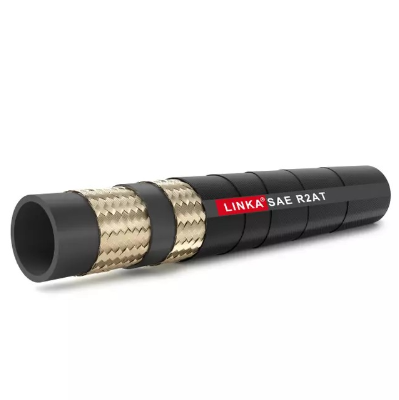
Industrial Hose used in harsh environments must handle more than normal pressure and flow. Buyers should check abrasion resistance, weather resistance, oil resistance, temperature range, hose reinforcement, bend radius, inner tube compatibility, fitting security and safety requirements before selection.
Harsh environments may include construction sites, mines, ports, factories, farms, chemical plants, fuel transfer areas, outdoor work zones and heavy equipment systems. In these conditions, a hose may face mud, dust, rocks, oil splash, sunlight, ozone, vibration, high temperature, low temperature, pressure fluctuation and mechanical rubbing.
It is also important to separate Industrial Hose from Hydraulic Hose. A Hydraulic Hose is mainly used for high-pressure hydraulic fluid transmission. It may be suitable for harsh hydraulic systems, but it should not be used as a universal Industrial Hose for every conveyed media or environment.
For high-pressure hydraulic systems used in harsh environments, Linka’s Hydraulic Hose range can be reviewed according to pressure rating, reinforcement type, oil compatibility, impulse load and working conditions.
This article explains the key industrial hose features that matter in harsh environments and how buyers can avoid common hose selection mistakes.
Harsh environments place extra stress on the hose cover, inner tube, reinforcement, fittings and installation route.
Key points include:
Abrasion resistance matters when hoses rub against rocks, metal frames, concrete, soil or machine parts.
Weather resistance helps protect hoses used outdoors under sunlight, ozone, rain and changing climates.
Oil resistance is important when hoses contact fuel, diesel, hydraulic oil or petroleum-based products.
Temperature range should match both the conveyed media and the external environment.
Hose reinforcement affects pressure rating, crush resistance, vacuum resistance and structural stability.
Bend radius and flexibility affect installation in compact or moving equipment.
Inner tube compatibility still matters because harsh environments may also involve aggressive media.
Hose fittings and coupling security are critical when vibration, pressure or movement is present.
Anti-static or conductive design may be needed for fuel, powder or dry material transfer.
Protective sleeves, clamps and inspection planning can extend hose service life.
In short, a harsh environment industrial hose should be selected according to both the external risk and the conveyed media.
A harsh hose environment is any operating condition that increases the risk of wear, cracking, leakage, aging, chemical attack, pressure failure or unsafe transfer.
Common harsh conditions include:
abrasion from rocks, sand, concrete, steel or debris;
outdoor exposure to sunlight, rain, ozone and temperature change;
contact with fuel, oil, grease or hydraulic fluid;
high working temperature or hot media;
low temperature and reduced flexibility;
chemical splash or vapor exposure;
high pressure or pressure fluctuation;
vibration from pumps, engines or machinery;
tight installation spaces;
frequent bending or movement;
static electricity risk;
dust, mud and cleaning chemicals.
A hose selected for a clean indoor workshop may not survive long in these conditions. For harsh environments, the hose structure must be matched to both internal and external stress.
Industrial Hose performance depends on more than the media it carries. The environment around the hose can also cause damage. In severe conditions, a weak cover, wrong tube material, poor reinforcement or insecure fitting may shorten service life.
Harsh environments can affect hoses in several ways:
| Harsh Environment Risk | Hose Feature to Check |
|---|---|
| Abrasion from rocks, frames or debris | Abrasion-resistant cover |
| Outdoor UV and ozone exposure | Weather, UV and ozone resistance |
| Oil mist or petroleum contact | Oil-resistant tube or cover |
| High temperature | Heat-resistant tube and cover |
| Low temperature | Cold flexibility |
| High pressure | Reinforcement and pressure rating |
| Pressure cycling | Impulse resistance |
| Tight routing | Bend radius and flexibility |
| Chemical splash | Chemical-resistant cover |
| Static electricity | Conductive or anti-static design |
| Steam exposure | Steam-rated hose construction |
| Heavy vibration | Fittings and coupling security |
This is why industrial hose features should be reviewed as a system. The hose cover, tube, reinforcement and fittings all affect final performance.
Abrasion resistance is one of the most important industrial hose features for harsh environments. Hoses used on construction sites, mines, quarries, farms and heavy equipment areas may rub against metal frames, ground surfaces, rocks, concrete or moving parts.
An abrasion resistant industrial hose helps reduce cover wear and protects the reinforcement layer. Once the cover is damaged, the reinforcement may be exposed to moisture, corrosion, impact and further wear.
Abrasion resistance is important in:
mining operations;
construction equipment;
material handling;
sand and slurry transfer;
fuel transfer in outdoor areas;
hydraulic machinery;
agricultural machinery;
demolition and quarry applications.
If the hose is exposed to repeated rubbing, protective sleeves, clamps or better routing should also be considered.
Outdoor hoses are exposed to sunlight, ozone, rain, temperature changes and long-term weathering. A weather resistant industrial hose helps reduce cracking, hardening and premature aging.
Weather resistance matters when hoses are used in:
outdoor construction sites;
agricultural irrigation and spraying;
port operations;
mining areas;
mobile equipment;
exposed fuel transfer points;
outdoor air and water service.
UV and ozone resistance are especially important for hoses stored or operated outdoors for long periods. Without suitable cover material, the hose may crack even if the internal media is not aggressive.
Oil resistance is important when the hose may contact hydraulic oil, fuel, diesel, lubricants or petroleum-based materials. A standard air or water hose may not be suitable for oil exposure. If the tube or cover is not oil resistant, it may swell, soften or degrade.
For fuel, diesel, oil and petroleum transfer applications exposed to outdoor or abrasive conditions, Fuel Oil Suction Hose OSD can be reviewed when buyers need oil-resistant suction and discharge performance.
Oil resistant industrial hose is commonly used in:
fuel transfer;
diesel suction and discharge;
oil handling;
refueling areas;
petroleum service;
machinery maintenance;
hydraulic oil contact zones.
Oil resistance should be checked for both the inner tube and the outer cover when the hose may face internal and external oil exposure.
Temperature range affects hose flexibility, service life and safety. A hose used in high-temperature environments may harden, crack or lose strength if the material is not suitable. A hose used in cold environments may lose flexibility and become difficult to route.
Temperature selection should consider:
media temperature;
ambient temperature;
heat from engines or equipment;
outdoor winter conditions;
steam or hot water exposure;
cleaning temperature;
continuous or intermittent temperature exposure.
A high temperature industrial hose should be selected only when the media and environment require it. Ordinary water, air or oil hoses should not be used for steam unless the hose is specifically designed for steam service.
Pressure rating shows whether the hose can handle the required working pressure. In harsh environments, pressure may combine with vibration, abrasion, movement and temperature stress. This makes pressure selection more important.
Buyers should confirm:
normal working pressure;
peak pressure;
suction or discharge condition;
pressure fluctuation;
safety margin;
fitting pressure rating;
application type.
For Hydraulic Hose used in high-pressure hydraulic systems, pressure rating and impulse resistance are especially important. For Industrial Hose used in transfer applications, pressure still matters, but media compatibility, temperature and safety may be equally important.
Hose reinforcement helps the hose handle pressure, vacuum, bending and structural stress. The reinforcement may include textile layers, wire braid, spiral wire or embedded wire helix depending on the hose type and application.
Reinforced industrial hose may be needed when the hose is used for:
suction service;
high pressure transfer;
heavy-duty discharge;
vacuum conditions;
abrasive media;
fuel or oil transfer;
mobile equipment;
material handling.
The reinforcement should match the application. Over-selecting a very stiff hose may make installation difficult, while under-selecting reinforcement may lead to collapse, burst or early failure.
Bend radius is important when hoses are installed in compact spaces or near moving equipment. If the hose bends too tightly, it may kink, crack or damage its reinforcement.
Poor bending and routing may cause:
hose kinking;
restricted flow;
cover cracking;
reinforcement fatigue;
fitting stress;
rubbing damage;
leakage;
shortened service life.
A flexible hose is not always the same as a durable hose. Buyers should check both flexibility and minimum bend radius before selection.
The inner tube contacts the conveyed media. Even in harsh outdoor environments, media compatibility still matters. A hose with a strong cover may still fail if the inner tube is not compatible with the material being transferred.
Inner tube selection should consider:
| Inner Tube Requirement | Typical Concern |
|---|---|
| Oil resistance | Hydraulic oil, diesel, fuel and petroleum products |
| Chemical resistance | Acids, alkalis, solvents and cleaning agents |
| Heat resistance | Hot water, steam or high-temperature media |
| Wear resistance | Sand, cement, slurry and dry bulk materials |
| Sanitary compatibility | Food, beverage or clean media transfer |
| Water resistance | Water suction, discharge and utility service |
This is where industrial hose selection differs from simple hose replacement. The hose must match the media and the environment at the same time.
Hose fittings matter in harsh environments because vibration, pressure, movement and impact can loosen or damage weak connections. Even if the hose body is suitable, the assembly may leak or fail if the fittings are not correct.
Fitting selection should check:
fitting material;
thread type;
sealing method;
pressure rating;
corrosion resistance;
coupling method;
crimping or clamping quality;
vibration resistance;
installation angle;
safety lock or retention requirement.
For high-pressure Hydraulic Hose assemblies, hose fittings and crimping quality are especially important because the assembly must perform under pressure and impulse load.
Some harsh environments involve static electricity risk. This may be relevant when transferring fuel, dry powders, abrasive solids, certain chemicals or materials moving at high speed.
Anti-static or conductive hose design may be needed when:
fuel is transferred;
dry materials move through the hose;
powders create static charge;
flammable vapor may be present;
grounding is required by the application;
safety regulations or customer specifications require it.
This feature should not be ignored in fuel transfer, chemical plants or material handling applications.
Industrial Hose and Hydraulic Hose can both be used in harsh environments, but their functions are different.
| Item | Industrial Hose | Hydraulic Hose |
|---|---|---|
| Main media | Water, air, fuel, chemicals, steam, solids | Hydraulic oil and hydraulic fluids |
| Main harsh condition | Media attack, abrasion, weather, temperature | Pressure, impulse, oil and movement |
| Selection focus | Tube compatibility, cover resistance, safety | Pressure rating, reinforcement, fittings |
| Common risk | Wrong hose for the media | Wrong pressure or assembly rating |
| Typical use | Transfer and discharge applications | Hydraulic power transmission |
Hydraulic Hose may be suitable for harsh hydraulic systems, especially where high pressure, oil compatibility and impulse resistance are required. However, it should not replace chemical hose, steam hose, food hose, fuel hose, water hose or material handling hose unless compatibility has been confirmed.
Harsh Environment → External Risk → Conveyed Media → Temperature Range → Pressure Rating → Hose Reinforcement → Cover Resistance → Fittings → Final Hose Selection
This flow shows that harsh environment hose selection should start with the operating risk, not only with hose size.
| Application | Harsh Condition | Feature Priority |
|---|---|---|
| Construction site | Abrasion, mud, outdoor exposure | Cover durability and weather resistance |
| Mining operation | Dust, rocks, impact, severe wear | Abrasion resistance and reinforcement |
| Fuel transfer | Oil exposure and safety risk | NBR tube, oil-resistant cover and fittings |
| Air and water service | Outdoor use, pressure and flexibility | Weather resistance and flexibility |
| Chemical plant | Splash, vapor and corrosion | Chemical-resistant tube and cover |
| Steam service | High heat and pressure | Steam-rated construction |
| Material handling | Sand, cement and powder | Wear-resistant tube |
| Hydraulic machinery | Pressure, oil and impulse | Hydraulic Hose pressure rating and reinforcement |
This table can help buyers compare the most important hose features before making a selection.
Many hose failures happen because the operating environment is underestimated.
| Mistake | Possible Result |
|---|---|
| Selecting only by hose size | Wrong material or pressure rating |
| Ignoring external abrasion | Cover damage and leakage |
| Ignoring UV or ozone | Cracking and early aging |
| Using Hydraulic Hose for all media | Compatibility failure |
| Using air or water hose for fuel | Tube swelling or softening |
| Ignoring high temperature | Hardening, cracking or pressure loss |
| Ignoring bend radius | Kinking and reinforcement stress |
| Ignoring fittings | Leakage or disconnection |
| No static electricity review | Safety risk in fuel or dry material transfer |
| No inspection schedule | Damage found only after failure |
Avoiding these mistakes can improve hose service life and reduce unplanned downtime.
Before ordering Industrial Hose for harsh environments, buyers should prepare accurate application details.
| Information to Provide | Why It Matters |
|---|---|
| Application environment | Determines harsh condition risks |
| Conveyed media | Determines tube material |
| Working pressure | Determines reinforcement |
| Temperature range | Determines heat or cold resistance |
| Abrasion exposure | Determines cover or sleeve protection |
| Oil or fuel exposure | Determines NBR or oil-resistant material |
| Chemical splash | Determines cover compatibility |
| Outdoor exposure | Determines UV, ozone and weather resistance |
| Hose ID and length | Determines flow and routing |
| Bend radius | Determines installation feasibility |
| Fitting type | Determines sealing and safety |
| Static electricity risk | Determines conductive hose need |
This checklist helps the supplier recommend a hose that matches both media and environment.
In harsh environments, proper hose protection is often as important as hose selection. A good hose can still fail early if it is installed against sharp edges, exposed to repeated rubbing or bent beyond its recommended radius.
Useful protection methods include:
protective sleeves;
hose guards;
clamps;
routing brackets;
abrasion-resistant covers;
avoiding hot surfaces;
avoiding sharp edges;
allowing movement space;
checking fitting stress;
replacing damaged hoses before leakage occurs.
Inspection should focus on:
cover cracks;
worn areas;
exposed reinforcement;
oil leakage;
soft or swollen sections;
crushed areas;
twisted hose routing;
loose fittings;
damaged sleeves;
abnormal movement.
Inspection planning helps avoid sudden failure in construction, mining, fuel transfer, hydraulic machinery and other demanding applications.
When asking for harsh environment hose selection support, buyers should provide detailed working conditions instead of only requesting a general heavy duty industrial hose.
Useful information includes:
conveyed media;
working pressure;
suction or discharge condition;
media temperature;
ambient temperature;
abrasion exposure;
oil or fuel contact;
chemical splash risk;
outdoor exposure;
hose ID;
hose length;
bend radius;
fitting type;
installation route;
static electricity risk;
cleaning method;
quantity requirement.
With these details, the supplier can recommend a more suitable hose structure, tube material, cover design and fitting solution.
Linka provides hose solutions for hydraulic, industrial, fuel, oil, air, water and other transfer applications. For harsh environments, hose selection should be based on the full application rather than only the hose name.
Linka can help evaluate:
conveyed media;
pressure rating;
temperature range;
abrasion exposure;
weather exposure;
oil or chemical contact;
hydraulic system requirements;
hose reinforcement;
hose cover;
bend radius;
fitting type;
installation route;
protection needs;
replacement or bulk ordering requirements.
A suitable Industrial Hose can help improve transfer safety, reduce leakage risk, extend service life and reduce downtime in harsh environments.
Industrial Hose used in harsh environments should be selected according to abrasion resistance, weather resistance, UV and ozone resistance, oil resistance, temperature range, pressure rating, hose reinforcement, bend radius, inner tube compatibility, hose fittings, anti-static requirements, protection needs and inspection planning.
Hydraulic Hose can be suitable for high-pressure hydraulic fluid transmission in harsh hydraulic systems, but it should not be treated as a universal hose for every industrial media or environment. Fuel, chemicals, steam, air, water, abrasive materials and food media may each require different hose materials and structures.
A reliable selection process starts with the harsh environment risk, then checks conveyed media, pressure, temperature, reinforcement, cover resistance, fittings and installation route.
Need help selecting hose for abrasion, weather, oil exposure, temperature change or harsh jobsite conditions? Contact Linka for harsh environment hose selection support based on your conveyed media, pressure, temperature, abrasion exposure, routing path, fittings and operating environment.
The most important features include abrasion resistance, weather resistance, oil resistance, temperature range, reinforcement, pressure rating, bend radius, inner tube compatibility, fitting security and protection design.
Hydraulic Hose can be suitable for harsh hydraulic systems that require pressure rating, oil compatibility, reinforcement and impulse resistance. However, it should not be used as a universal hose for all industrial media.
Abrasion resistance helps protect the hose cover when it rubs against rocks, concrete, metal frames, soil, debris or machinery parts. It can reduce cover damage and extend hose life.
Weather resistance helps protect outdoor hoses from UV, ozone, rain and temperature changes. Without it, the hose cover may crack or age early.
Oil and fuel exposure require oil-resistant tube or cover materials. NBR is commonly used for hydraulic oil, diesel, fuel and petroleum-based products.
Temperature affects hose flexibility, rubber aging, pressure performance and service life. Both media temperature and ambient temperature should be checked.
Hose reinforcement supports pressure resistance, vacuum resistance, crush resistance and structural strength. It should match working pressure and application severity.
No. Different harsh environments require different hose materials and structures. The hose should be selected according to media, pressure, temperature, abrasion, weather and safety risks.
Buyers should provide conveyed media, pressure, temperature range, abrasion exposure, outdoor exposure, hose ID, hose length, bend radius, fittings, routing path and operating environment.
Yes. Linka can help recommend suitable hose options based on conveyed media, pressure, temperature, abrasion exposure, weather exposure, fittings and working conditions.


