Views: 0 Author: Site Editor Publish Time: 2026-05-22 Origin: Site
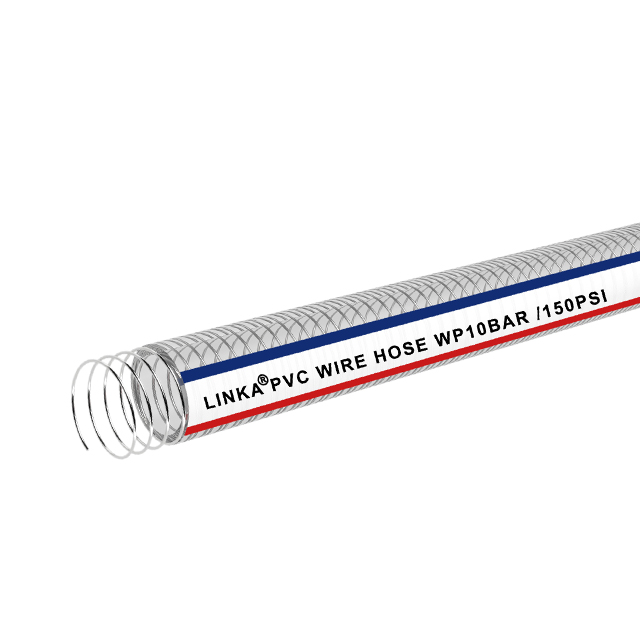
Selecting the wrong hose for fluid or material transfer leads to premature failure. This oversight often causes operational downtime and severe safety hazards. Many system operators mistakenly confuse rigid PVC pipe ratings with flexible hose limits. Their material properties differ entirely. Structural boundaries vary significantly between the two. Direct comparisons often result in disastrous line blowouts or slow leaks.
We designed this guide to give you a clear technical evaluation framework. You will learn how to accurately determine the safe working pressure of flexible hoses in various environments. We will explore critical variables governing material strength. You will understand how temperature derating, reinforcement types, and internal diameters dictate performance. By applying these engineering principles, you ensure safer fluid transfer and maximize the lifespan of your equipment.
Standard unreinforced PVC hoses handle low pressures (typically 10–50 PSI), while reinforced variants and a PVC layflat hose can handle up to 150–300 PSI depending on diameter.
Pressure ratings are universally calculated at an ambient temperature of 68°F (20°C); any increase in temperature drastically reduces the safe operating pressure.
An industry-standard 3:1 or 4:1 safety factor distinguishes Maximum Working Pressure (MWP) from Burst Pressure.
Safety Critical: PVC hoses should never be used for compressed air or gases due to the risk of explosive fragmentation.
Engineers and buyers must understand the core metrics defining fluid transfer safety. Confusion between testing metrics and operational metrics causes many industrial accidents. You must clearly distinguish between Working Pressure and Burst Pressure.
Working Pressure represents the maximum continuous pressure a hose handles safely under normal conditions. It assumes a steady fluid flow without massive temperature spikes. Manufacturers calculate this metric to ensure daily reliability. Burst Pressure represents the absolute failure point. Technicians determine this figure through destructive testing in controlled laboratory settings. The material physically ruptures or tears when pressure reaches this threshold.
The fluid transfer industry relies on a strict safety ratio. Standard regulations mandate a 3:1 or 4:1 safety factor. A product rated for 100 PSI working pressure generally bursts between 300 and 400 PSI. This margin protects systems against unexpected surges.
Common Mistake: Never use Burst Pressure as an operational guideline. Relying on the burst rating for daily operations guarantees premature failure. Operators who push systems beyond the Maximum Working Pressure (MWP) risk structural fatigue. The polymer chains stretch, weaken, and eventually snap.
Physical laws dictate pressure-handling capabilities across different hose sizes. As the internal diameter (ID) increases, the pressure capacity inherently decreases. This rule assumes wall thickness remains constant. A larger internal surface area distributes internal fluid forces over a wider cross-section. The increased surface area places greater tensile stress on the outer walls.
A 1/4-inch ID tube might safely hold 250 PSI.
A 1-inch ID tube of the exact same material might only handle 100 PSI.
A 2-inch ID tube will likely drop below 50 PSI working pressure.
You must factor this physical limitation into your system designs. Upsizing a line to increase flow volume requires a corresponding drop in operating pressure expectations.
Environmental conditions manipulate thermoplastic materials drastically. Failing to account for temperature remains the leading cause of unexpected hose ruptures. You must calculate operational temperatures before turning on any pumps.
Review any manufacturer pressure specification sheet. All published pressure limits assume a baseline ambient and fluid temperature of 68°F (20°C). Laboratories perform their hydrostatic testing at this exact temperature. Operating at 68°F provides optimal material rigidity and strength.
Polyvinyl chloride is a thermoplastic material. Thermoplastics soften as they absorb heat. Heat increases molecular movement within the polymer matrix. This movement reduces the tensile strength of the walls. The material becomes more pliable but loses its structural integrity against internal outward forces.
When temperatures rise, pressure capacity plummets. A system moving 100°F water experiences drastically different material limits compared to a system moving 60°F water. The walls expand, the structural reinforcement stretches, and the risk of ballooning increases.
Engineers use a specific multiplier to calculate true safe operating pressure. You must apply a derating factor for any high-temperature application. Multiply your hose's baseline working pressure by the temperature derating factor to find the real-world limit.
Consider this standard derating framework for flexible PVC:
| Operating Temperature (°F) | Operating Temperature (°C) | Derating Multiplier |
|---|---|---|
| 68°F | 20°C | 1.00 (100% Capacity) |
| 80°F | 27°C | 0.88 (88% Capacity) |
| 90°F | 32°C | 0.75 (75% Capacity) |
| 100°F | 38°C | 0.58 (58% Capacity) |
| 120°F | 49°C | 0.30 (30% Capacity) |
Practical Example: Suppose your tubing has a stated working pressure of 100 PSI at 68°F. You need to pump water at 100°F. You multiply 100 PSI by the 0.58 derating factor. Your actual safe working pressure is now only 58 PSI. Exceeding 58 PSI under these heated conditions risks immediate material failure.
Matching the specific material design to your application prevents operational headaches. Manufacturers produce three primary categories of flexible polyvinyl chloride tubing. Each category serves a distinct pressure profile.
Standard clear tubing contains no internal woven support. It relies entirely on the thickness of its plastic walls.
Pressure limits: Low (typically 10–50 PSI).
Best for: Gravity-fed lines, light laboratory fluid transfer, sight gauges, and low-pressure aquariums.
What to watch out for: Unreinforced tubing kinks easily. It will stretch and balloon under any significant pressure. You should never use it for closed-valve pump systems.
Engineers embed polyester or textile braiding within the plastic walls during manufacturing. This reinforcement prevents the walls from expanding outward under high pressure. When looking for a durable PVC Hose, check the density of the internal braid.
Pressure limits: Medium to High (100–300 PSI, diameter dependent).
Best for: Washdown stations, light industrial fluid transfer, pneumatic tool drains, and municipal water lines.
What to watch out for: Ensure the outer jacket resists abrasion. Dragging a braided line across concrete can wear down the protective outer layer. This exposes the internal threads to moisture and rot.
Layflat designs remain entirely flat until pressurized. They utilize heavy-duty synthetic yarn woven tightly and fused with liquid PVC. This creates a lightweight, easy-to-store discharge line.
Pressure limits: Application-specific (typically 30–150 PSI).
Best for: High-volume agricultural discharge, construction site dewatering, and temporary pump lines.
What to watch out for: You must route a PVC Layflat Hose carefully. Emphasize straight lines. Layflat designs require constant monitoring for kinking. A sharp kink creates an instant blockage. This blockage causes a massive localized pressure spike capable of bursting the woven jacket.
| Hose Type | Reinforcement | Max PSI Range | Primary Use Case |
|---|---|---|---|
| Clear Unreinforced | None | 10 - 50 PSI | Gravity drains, sight glasses |
| Braided PVC | Polyester/Textile mesh | 100 - 300 PSI | Washdown, pressurized water |
| Layflat Discharge | Woven synthetic yarn | 30 - 150 PSI | Agricultural pumps, dewatering |
Understanding the physics of compressible versus non-compressible fluids saves lives. Industrial safety standards strictly prohibit specific applications regardless of pressure ratings.
Water is a non-compressible fluid. When you pressurize water inside a tube, it stores very little kinetic energy. Air acts entirely differently. Gases are highly compressible. When you force compressed air into a confined space, the gas stores massive amounts of potential energy. It acts like a coiled spring waiting to expand.
OSHA guidelines highlight a stark difference in failure modes based on the fluid type. If a water line bursts at 100 PSI, the material splits. The water leaks out rapidly, and the pressure drops to zero almost instantly. The danger remains minimal beyond flooding.
If an air line bursts at 100 PSI, the compressed gas expands violently. The stored energy releases in milliseconds. Rigid or semi-rigid PVC cannot handle this sudden expansion. The material shatters into jagged pieces. These plastic shards fly across the workspace like dangerous shrapnel. This explosive fragmentation causes severe workplace injuries.
Never rely on standard polyvinyl chloride lines for air compressors. You should select materials explicitly engineered to fail safely under pneumatic stress. Polyurethane offers excellent flexibility and safety for air lines. Specialized synthetic rubber handles high-pressure air efficiently. Nylon air tubing provides rugged durability for heavy industrial pneumatic tools. These materials split smoothly instead of shattering if they exceed their burst thresholds.
Relying solely on a catalog specification invites system failures. You must evaluate the entire mechanical ecosystem before making a final selection. Follow this structured approach to ensure optimal performance.
Static continuous pressure rarely destroys industrial lines. Surge pressures cause the most damage. Engineers call this phenomenon "water hammer." Rapid valve closures or sudden pump startups force fluid to stop or start instantly. The kinetic energy of the moving fluid slams against the valve, sending a shockwave backward through the line.
This shockwave creates a momentary pressure spike. A system running at 60 PSI might experience a split-second surge of 200 PSI during a valve closure. Your working pressure rating must exceed the highest potential surge, not just the static continuous pressure. Installing water hammer arrestors helps mitigate these dangerous spikes.
Chemicals aggressively degrade polymer structures. Certain solvents, acids, or petroleum-based oils interact poorly with polyvinyl chloride. They extract the plasticizers from the material walls. This chemical leaching makes the hose brittle and stiff. A degraded line prematurely loses its pressure threshold regardless of temperature or reinforcement. Always consult a chemical resistance chart. Match your specific fluid composition against the manufacturer's compatibility data.
A fluid transfer system is only as strong as its weakest connection point. Operators frequently mismatch hoses and fittings.
Over-tightening: Cranking down worm-gear clamps too tightly scores the plastic jacket. This creates a weak point where blowouts occur.
Under-sizing: Forcing a smaller fitting into a larger tube creates a loose seal. It causes fitting blow-offs well below the rated burst pressure.
Barbed connectors: Ensure the barb size perfectly matches the internal diameter. Use crimped ferrules or smooth-edge clamps for high-pressure reinforced lines to prevent jacket tearing.
Use this numbered logical sequence when evaluating your next purchase:
Determine max PSI: Identify the highest continuous pressure your pump generates.
Add a safety margin: Add 20% to 30% to account for minor surges and water hammer effects.
Calculate temperature derating: Determine the maximum fluid and ambient temperature. Apply the required derating multiplier to find the adjusted PSI limit.
Select required diameter: Choose the ID based on your flow volume needs. Remember that larger diameters handle less pressure.
Verify chemical compatibility: Check the fluid against a material resistance chart to ensure no plasticizer degradation occurs.
Relying on generic pressure claims poses a severe risk to your operations. Accurate specification requires a deeper look into the physics of fluid transfer. You must calculate temperature derating accurately. You must understand how system surges impact structural integrity. Respecting the material limits of thermoplastics guarantees safer and more efficient workflows.
Never leave high-pressure applications to guesswork. Always consult manufacturer technical data sheets for specific derating curves and burst ratios. If your project involves high-stakes fluid transfer systems or extreme temperatures, contact an application engineer. Professional guidance ensures you secure the exact reinforcement, diameter, and material blend your operation demands.
A: When you exceed the working pressure, the material begins stretching and ballooning. Over time, this structural fatigue causes the reinforcing braids to snap. Eventually, you will experience fitting blow-off or a catastrophic material rupture, resulting in immediate fluid loss and potential safety hazards.
A: No. NSF/ANSI 14 primarily governs material safety, physical properties, and health effects for potable water applications. While the standard requires products to meet referenced ASTM pressure testing guidelines, the certification itself does not define a universal pressure limit. Always check the manufacturer's specific PSI ratings.
A: No. A thicker, heavier-duty fitting will not increase the overall capacity of your flexible line. Hose pressure limits are dictated entirely by the flexible wall thickness, internal reinforcement, and diameter. The system remains only as strong as the flexible tubing itself.


