Views: 0 Author: Site Editor Publish Time: 2026-10-22 Origin: Site

Unplanned downtime costs factories millions daily. A single blown hydraulic line halts an entire production cell instantly. Operators are left scrambling, and output targets shatter. While often overlooked by procurement teams, industrial hoses are the vital arteries of your plant. They safely transport fluids, gases, and abrasive materials across complex manufacturing environments. For instance, a reliable air water hose acts as the backbone for critical pneumatic tools on the assembly line, proving that these components are far more than just basic rubber tubes.
Choosing the right fluid transfer equipment isn't just a routine purchasing task; it directly solves costly efficiency bottlenecks. By treating these flexible conduits as highly engineered assets rather than disposable commodities, facility leaders can drastically improve Overall Equipment Effectiveness (OEE). In this comprehensive guide, we break down how to select, route, and maintain these critical components to keep your factory running at peak performance.
Efficiency Through Reliability: High-quality fluid transfer solutions minimize pressure drops and prevent micro-leaks. This ensures pneumatic and hydraulic machinery operates at peak force without wasting compressor energy.
Application-Specific Selection: Matching the exact hose specification to the chemical and thermal demands of the application prevents premature material degradation and unexpected blowouts.
Proactive Downtime Prevention: Implementing strict visual inspection protocols and proper routing techniques extends component lifespans and eliminates hazardous workplace spills.
Maximized Long-Term ROI: Upgrading to premium, abrasion-resistant materials reduces replacement frequency. This ultimately saves manufacturing plants significant maintenance labor and inventory costs over the equipment's lifecycle.
In any high-volume manufacturing facility, continuous media transfer is a non-negotiable operational requirement. From massive hydraulic presses slamming down with tons of force to delicate chemical dosing lines, plants rely heavily on flexible routing. Rigid piping simply cannot absorb the intense vibrations or accommodate the moving parts inherent to factory machinery.
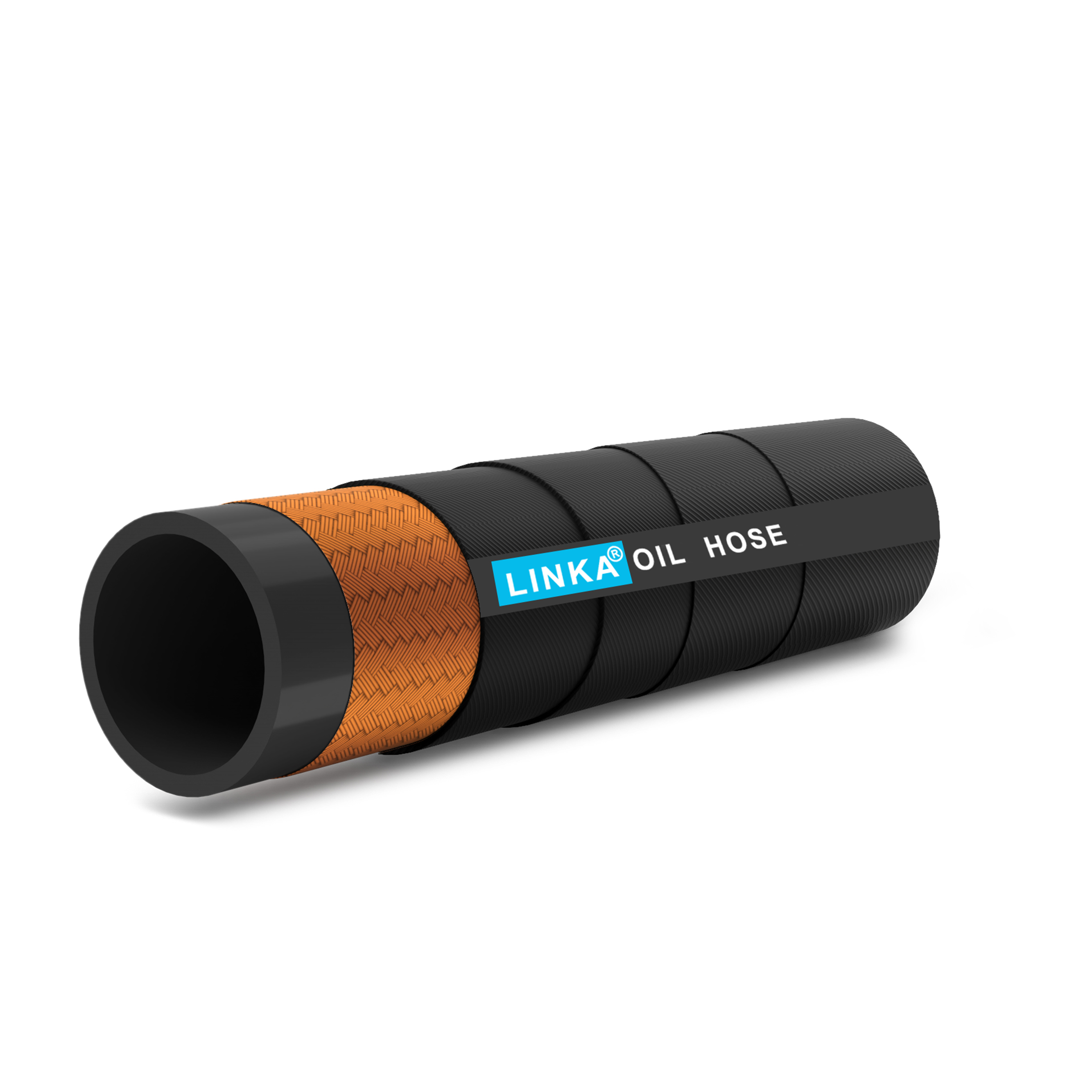
It is a common pitfall to view a hose as just a simple rubber tube. In reality, it is a composite structure designed to withstand extreme industrial punishment. A heavy-duty assembly features three distinct layers. First, the inner tube must be chemically compatible with the specific media being transferred. Second, the reinforcement layer—often constructed from tightly braided synthetic yarns or high-tensile steel wire helixes—handles intense pressure spikes and vacuum forces. Finally, the outer cover is specifically compounded to resist harsh environmental hazards like concrete abrasion, ozone exposure, and incidental chemical splashes.
Consequently, the direct connection between these engineered layers and plant efficiency becomes obvious. A smooth inner tube reduces fluid friction, optimizing flow rates and lowering the amp draw on your pumps. Simultaneously, a robust exterior resists physical wear, keeping production lines moving without unexpected maintenance stops.
Unplanned downtime remains the ultimate drain on manufacturing profitability. When a substandard fluid line bursts, the immediate consequence is a halted machine. By investing in reliable, application-matched equipment, maintenance engineers can transition from reactive emergency firefighting to predictable, scheduled servicing. This proactive approach ensures production schedules remain intact and delivery targets are consistently met.
Pneumatic and hydraulic systems require precise pressure maintenance to function correctly. Using a conduit with an undersized inner diameter creates a severe bottleneck. This spikes fluid velocity and generates system-damaging heat. The correct specification ensures optimal fluid dynamics, maintaining laminar flow and preventing friction-induced pressure loss. As a result, machinery operates at its designed speed, maximizing OEE while reducing the load on plant compressors.
A catastrophic failure in a high-pressure fluid system is a severe safety hazard. The sudden release of boiling water, caustic chemicals, or high-pressure hydraulic oil can cause devastating injuries, including hydraulic injection trauma. By utilizing properly rated materials and factory-crimped fittings, plants mitigate the risk of hazardous leaks. A safe plant is inherently an efficient plant, free from the massive operational disruptions associated with workplace accidents.
In industries like chemical blending or food processing, the media being transferred is highly valuable. Secure connections and leak-free performance guarantee that every drop of raw material reaches the mixing vat. Eliminating weeping fittings and preventing tube bursts directly translates to higher yield rates. Furthermore, it keeps the facility compliant with increasingly strict environmental runoff regulations.
Selecting the correct equipment requires matching the elastomer properties to the specific demands of the factory floor. Using generic tubing for specialized tasks guarantees premature failure. Below is a technical breakdown of common variants and their operational impact.
Constructed from highly flexible, weather-resistant synthetic blends like EPDM, this variant handles general industrial air compression and fluid transport. Because of its excellent resilience against ozone and aging, it serves as the workhorse of the factory. It ensures steady air pressure for heavy-duty pneumatic tools and reliable flow for routine washdowns, preventing pressure fluctuations that slow down assembly machinery.
Unlike standard delivery lines, suction applications require structural support to prevent the walls from collapsing inward under negative pressure. A heavy-duty water suction hose is reinforced with a rigid wire helix. This makes it critical for dewatering processes, wastewater management, and industrial coolant pumping. By maintaining its internal diameter under high vacuum, it ensures continuous, uninterrupted flow for facility cooling systems.
Petroleum-based products quickly degrade standard EPDM rubber, causing it to swell, soften, and eventually rupture. To combat this chemical attack, an oil suction hose utilizes a specialized Nitrile (NBR) inner tube. This provides exceptional resistance to fuels and lubricants. Utilizing this specific material keeps hydraulic fluids free from rubber particulate contamination, thereby protecting expensive plant pumps and valves from internal friction wear.
When the manufacturing process involves transferring abrasive dry materials, standard rubber wears out rapidly. Constructed from highly durable Polyurethane, a PU duct hose offers extreme flexibility and superior abrasion resistance. Polyurethane handles friction significantly better than traditional elastomers. This makes it the ideal choice for CNC dust collection, fume extraction, and moving abrasive media like wood chips or plastic pellets without wearing through the tube wall.
In a high-volume plant, a hose failure is rarely an isolated incident; it triggers a domino effect. Consider a scenario where a budget hydraulic line bursts on a primary injection molding machine. The loss of fluid stops the machine instantly. The plastic currently in the mold hardens and is ruined. Hazardous oil spills onto the floor, requiring specialized cleanup. The entire production cell is paralyzed for hours while a replacement is sourced and installed.
To mitigate these risks, plant managers must understand the root causes of premature failure:
Chemical Incompatibility: Routing aggressive solvents through a standard rubber tube causes the inner lining to delaminate and clog downstream filters.
Pressure Surges: Exceeding the maximum working pressure—even for a fraction of a second during valve closure—permanently stretches and weakens the reinforcement braid.
External Abrasion: Dragging lines across abrasive concrete floors exposes the internal steel wire to moisture, leading to rapid rust and structural blowout.
Thermal Degradation: Operating fluids at temperatures above the elastomer's rating literally bakes the rubber, rendering it brittle and highly prone to cracking under vibration.
To standardize the selection process and ensure optimum production efficiency, senior maintenance engineers rely on the STAMPED method. This systematic checklist guarantees every technical parameter is evaluated prior to installation.
S - Size: Flow rate dictates the Inner Diameter (ID). An undersized ID creates fluid friction and pressure drops. The Outer Diameter (OD) is equally critical when routing lines through tight machinery bulkheads or securing them with clamps.
T - Temperature: You must account for two distinct metrics: the temperature of the internal fluid and the ambient temperature of the plant. Extreme heat softens rubber, lowering its pressure capacity, while freezing temperatures make it brittle.
A - Application: What is the exact working environment? Considerations include continuous mechanical flexing, vacuum conditions, or routing requirements that demand a tight Minimum Bend Radius (MBR).
M - Material: The inner tube must be chemically compatible with the media. For instance, matching petroleum to Nitrile, or abrasive dust to Polyurethane.
P - Pressure: The assembly must possess a Maximum Working Pressure rating equal to or greater than the system's maximum pressure, including anticipated hydraulic spikes.
E - Ends: A fluid system is only as reliable as its fittings. Selecting the correct coupling (cam and groove, flanged, NPT) and securing it with a factory crimp prevents catastrophic blow-offs.
D - Delivery: This covers testing requirements, industry certifications (such as FDA or ISO compliance), and the delivery timeline required to meet tight maintenance shutdown schedules.
Even premium equipment requires proactive care. Implementing a standardized maintenance protocol extends the lifecycle of fluid transfer systems, maximizing your return on investment and keeping operations smooth. For instance, standardizing on a reliable multipurpose rubber hose for non-critical plant applications reduces inventory confusion and ensures maintenance teams always have the right replacement on hand.
Conduct Routine Visual Inspections: Walk the plant floor weekly. Look for cracked covers, exposed wire braids, kinks, or weeping fluid near the crimp collars.
Avoid Kinking and Twisting: Never force a bend beyond the manufacturer's specified minimum bend radius. Twisting a line during installation severely stresses the reinforcement layer, reducing its pressure capacity by up to 50%.
Implement Proper Storage: When not in use, drain the fluids and store coils on dedicated wall racks. Keep them away from direct sunlight, ozone-generating electrical motors, and extreme heat to prevent premature rubber aging.
Monitor Pressure Gauges: Ensure operating pressures remain within specified limits, paying close attention to hydraulic spikes during equipment startup.
Keep a Replacement Schedule: Do not wait for a blowout. Utilize lifecycle data to replace aging components proactively during scheduled factory downtime.
Looking at recent manufacturing trends, the sector is experiencing a massive shift toward predictive maintenance and energy-efficient fluid dynamics. Industry analysts note that modern plants are aggressively moving away from reactive replacements, instead adopting smart manufacturing protocols to protect their margins.
High-tech fluoropolymer linings (such as PTFE) are increasingly specified to handle extreme temperature fluctuations and aggressive solvents. This aligns perfectly with the industry's push for zero-leakage environments and lower environmental impact. Furthermore, the integration of IoT sensors within fluid routing systems is becoming a reality. Smart hoses equipped with conductive sensor wires allow maintenance teams to monitor internal wire fatigue and pressure spikes in real-time. This data-driven approach directly prevents unexpected blowouts, perfectly complementing global sustainability and operational excellence goals.
Selecting the right fluid transfer equipment fundamentally improves your plant's efficiency. These conduits are not mere background components; they are critical assets that prevent costly downtime, optimize machinery performance, and keep your workforce safe from hazardous blowouts. Proper selection, combined with proactive maintenance, extends equipment lifespan and drives down long-term operational costs.
Audit your current fluid routing systems today to identify structural vulnerabilities. By upgrading to application-specific materials and embracing modern fluid transfer technologies, you can ensure smoother daily operations. Evaluate your specific pressure and chemical requirements, and source the right products to safeguard your facility's bottom line.
Replacement intervals depend entirely on the application, duty cycle, and operating environment. High-pressure hydraulic lines or harsh chemical transfer conduits may require annual replacement to maintain strict safety standards. Conversely, a standard pneumatic line might perform reliably for several years. Consistent visual inspections and adherence to predictive maintenance logs should dictate your exact replacement timeline.
Generally, no. While multipurpose EPDM rubber performs exceptionally well for air, water, and mild agricultural chemicals, petroleum-based products cause standard rubber compounds to swell, soften, and degrade rapidly. For safety and operational efficiency, you must use a dedicated oil transfer variant engineered with a Nitrile (NBR) inner tube.
Catastrophic bursts are most commonly caused by system pressure spikes that exceed the assembly's maximum working pressure rating. Other frequent culprits include severe external abrasion that compromises the wire reinforcement, improper installation of end fittings, or utilizing a material that is chemically incompatible with the internal fluid.
Polyurethane (PU) is specifically engineered for high abrasion resistance. It is significantly lighter and more flexible than standard rubber, making it much easier to route through complex CNC machinery. Its superior resistance to internal friction makes it the ideal choice for the continuous, high-velocity flow of abrasive dry materials like sawdust, plastics, and metal shavings.
Sizing is primarily determined by the required flow rate and velocity of your specific system. Utilizing an Inner Diameter (ID) that is too small will cause fluid friction, resulting in significant pressure drops and decreased machinery efficiency. Engineers typically refer to fluid dynamic nomograms to calculate the exact ID required to maintain optimal system pressure without overworking the facility's pumps.


