Views: 0 Author: Site Editor Publish Time: 2026-07-31 Origin: Site
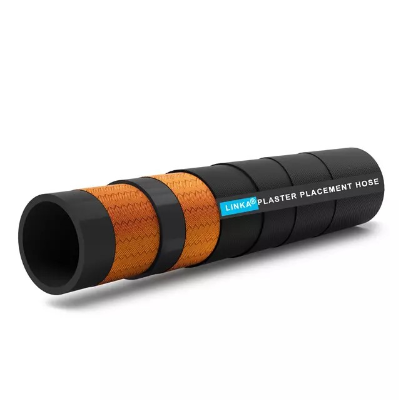
Matching an Industrial Hose to the conveyed media means selecting a hose according to what it will carry. The conveyed media may be hydraulic oil, water, compressed air, fuel, chemicals, steam, slurry, abrasive solids, food liquids or other materials. Each medium has different requirements for tube material, pressure rating, temperature resistance, abrasion resistance, safety control and fitting compatibility.
This point is important because Industrial Hose and Hydraulic Hose are not the same. A Hydraulic Hose is mainly designed for high-pressure hydraulic fluid transmission in hydraulic systems. It should not be treated as a universal hose for every conveyed media. A chemical transfer hose, steam hose, food-grade hose, water suction hose or fuel oil suction hose may need a different tube material and structure.
For high-pressure hydraulic fluid transmission, Linka’s Hydraulic Hose range can be reviewed according to working pressure, oil compatibility, reinforcement type and hydraulic system requirements.
This article explains how to match an industrial hose to the conveyed media and how to avoid common compatibility mistakes.
Industrial hose selection should start with the conveyed media, not only hose size or working pressure.
Key points include:
Hydraulic Hose is suitable for hydraulic fluid transmission, but it is not a universal hose for all media.
The inner tube material must be compatible with the conveyed media.
Chemical media should be checked by chemical type, concentration and temperature.
Fuel and petroleum products usually require oil-resistant hose construction.
Water and air hoses should not automatically be used for oil, fuel or aggressive chemicals.
Steam requires temperature and pressure control, as well as correct handling and drainage.
Abrasive media need wear-resistant tube materials and strong cover protection.
Food and beverage media may require sanitary hose materials and cleaning compatibility.
Working pressure, temperature range, suction or discharge condition and fittings must be checked together.
Buyers should provide complete media information before ordering hose.
In short, a hose that fits physically may still fail if the conveyed media is not compatible with the hose material.
The conveyed media is the material moving through the hose. It directly affects the hose’s inner tube, reinforcement, cover, fittings and service life. If the hose material does not match the media, the hose may swell, crack, soften, harden, leak or contaminate the transferred material.
Media mismatch can cause:
inner tube swelling;
rubber cracking;
chemical attack;
pressure loss;
leakage;
premature hose failure;
product contamination;
unsafe transfer conditions;
fitting corrosion;
unexpected downtime.
This is why industrial hose selection should begin with a basic question: what exactly will the hose convey?
Conveyed media refers to the substance that passes through the hose during operation. It may be a liquid, gas, vapor, powder, slurry or granular material.
Common conveyed media include:
hydraulic oil;
mineral oil;
diesel;
gasoline;
water;
compressed air;
mild chemicals;
acids or alkalis;
solvents;
steam;
hot water;
sand;
cement;
dry powders;
food liquids;
beverage ingredients;
slurry.
Each medium interacts differently with hose materials. A hose suitable for water may not be suitable for fuel. A hose suitable for hydraulic oil may not be suitable for strong chemicals. A hose suitable for air may not be suitable for steam.
Different media require different hose selection logic.
| Conveyed Media | Common Hose Type | Selection Focus |
|---|---|---|
| Hydraulic oil | Hydraulic Hose | Pressure rating, oil resistance, reinforcement |
| Water | Water hose or PVC suction hose | Flow, pressure, temperature, flexibility |
| Compressed air | Air hose | Pressure, flexibility, oil mist resistance |
| Fuel and petroleum | Oil suction hose or fuel hose | NBR tube, petroleum resistance, safety |
| Chemicals | Chemical transfer hose | Chemical compatibility, concentration, temperature |
| Steam | Steam hose | Temperature, pressure, safety, drainage |
| Sand or dry materials | Material handling hose | Abrasion resistance and grounding |
| Food or beverage | Food-grade hose | Sanitary material and cleaning compatibility |
This table shows why one hose type cannot cover all media. The correct hose depends on both the media and the working condition.
Hydraulic oil and hydraulic fluids are usually handled by Hydraulic Hose. This type of hose is designed for hydraulic power transmission, where pressure, reinforcement and oil resistance are critical.
Hydraulic Hose is commonly selected for:
construction machinery;
agricultural machinery;
industrial hydraulic systems;
mining equipment;
lifting equipment;
hydraulic presses;
machine tools;
mobile hydraulics.
Selection factors include:
working pressure;
pressure spikes;
hydraulic oil compatibility;
reinforcement type;
hose inner diameter;
bend radius;
temperature range;
fittings and crimping.
Hydraulic Hose should not be used for unknown chemicals, steam, food media or abrasive solids unless compatibility has been confirmed.
Water and air hoses are common in workshops, factories, construction sites and general utility systems. They usually focus on flexibility, pressure level, weather resistance and handling convenience.
Water and air hose selection should consider:
working pressure;
flow rate;
temperature range;
hose ID;
flexibility;
outdoor exposure;
oil mist exposure in compressed air systems;
fitting type;
abrasion risk.
An air and water hose may be suitable for general utility use, but it should not automatically be used for oil, fuel, strong chemicals or steam. Media compatibility must still be checked.
Fuel, diesel, oil and petroleum-based products usually require oil-resistant tube materials. NBR is commonly used for oil and petroleum resistance. Using a general-purpose hose for fuel transfer may lead to tube swelling, softening or leakage.
For gasoline, diesel, oil and petroleum-based transfer applications, Fuel Oil Suction Hose OSD can be reviewed when buyers need suction and discharge performance with oil-resistant hose construction.
Fuel and oil transfer applications should review:
petroleum compatibility;
suction or discharge use;
working pressure;
temperature range;
hose ID;
cover resistance;
static electricity risk;
fitting and sealing method;
safety requirements.
Fuel transfer should not be treated as ordinary water transfer. The media has different chemical and safety requirements.
Chemical media require careful compatibility checks. The same hose may work with one chemical but fail with another. Even the same chemical can behave differently at different concentrations and temperatures.
Chemical hose selection should consider:
chemical name;
concentration;
temperature;
pressure;
exposure time;
suction or discharge condition;
cleaning method;
compatibility chart;
tube material;
fittings;
safety requirement.
Materials such as UHMWPE or PTFE may be used for some chemical transfer applications because of their chemical resistance. However, final selection should always be based on the exact media and operating condition.
Steam is not the same as water. Steam has high temperature, pressure and safety risk. A normal water hose should not be used for steam service unless it is specifically designed for that purpose.
Steam hose selection should consider:
steam pressure;
steam temperature;
saturated or superheated steam;
drainage requirements;
hose construction;
cover resistance;
fitting safety;
handling practice;
inspection schedule.
Steam applications require strict attention to safety. Incorrect hose selection can create serious hazards.
Abrasive media include sand, cement, powders, granules, slurry and other materials that can wear the inner tube. For these media, chemical compatibility may be less important than abrasion resistance.
Abrasive media selection should review:
particle size;
flow speed;
media hardness;
bend points;
suction or discharge use;
grounding requirement;
tube thickness;
cover durability;
operating environment.
A hose used for abrasive media should have a wear-resistant inner tube and suitable reinforcement. If static electricity is a risk, conductive or grounded hose design may be required.
Food and beverage media require sanitary material selection. The hose must not contaminate the product. It should also tolerate cleaning, rinsing or sanitation processes.
Food and beverage hose selection should consider:
food contact requirement;
taste and odor control;
cleaning method;
temperature;
pressure;
flexibility;
smooth inner surface;
fitting hygiene;
regulatory or customer requirements.
A standard Industrial Hose or Hydraulic Hose should not be used for food or beverage media unless it is confirmed to be suitable for food contact.
The hose must match more than the media name. It should match the complete service condition.
| Factor | Why It Matters |
|---|---|
| Media type | Determines the basic hose category |
| Chemical compatibility | Prevents tube swelling, cracking or corrosion |
| Media concentration | Important for chemical transfer |
| Temperature range | Affects tube, cover and reinforcement durability |
| Working pressure | Determines reinforcement and hose rating |
| Suction or discharge use | Affects hose structure and vacuum resistance |
| Abrasion level | Determines tube thickness and wear resistance |
| Inner tube material | Directly contacts the conveyed media |
| Cover resistance | Protects against weather, oil, abrasion and ozone |
| Fitting compatibility | Prevents leakage and sealing failure |
| Cleaning method | Affects long-term material durability |
| Safety requirement | Important for fuel, chemicals, steam and dry materials |
These factors should be reviewed together. A hose may be chemically compatible but unsuitable for temperature, pressure or abrasion.
The inner tube is the first hose layer that contacts the conveyed media. It is one of the most important parts of hose material compatibility.
| Inner Tube Material | Suitable Media | Notes |
|---|---|---|
| NBR | Hydraulic oil, petroleum products, fuel | Good oil resistance |
| EPDM | Water, steam and some mild chemicals | Not suitable for petroleum oils |
| PVC | Water, light suction and some soluble liquids | Lightweight and flexible |
| UHMWPE | Many chemicals and solvents | Often used in chemical transfer hoses |
| PTFE | Aggressive chemicals and high-purity media | High chemical resistance |
| Silicone | Food, beverage and pharmaceutical media | Clean and flexible |
| Natural rubber | Abrasive materials | Often used for wear resistance |
The table is a general guide. The actual hose should still be checked according to media concentration, temperature, pressure and application details.
Industrial Hose and Hydraulic Hose are related but not identical. The difference should be clear before selection.
| Item | Hydraulic Hose | Industrial Hose |
|---|---|---|
| Main media | Hydraulic oil or hydraulic fluid | Water, air, chemicals, steam, oil, food and dry materials |
| Main requirement | High-pressure fluid power transmission | Media compatibility and transfer efficiency |
| Pressure level | Usually higher | Varies by media and application |
| Material focus | Oil resistance, reinforcement and pressure rating | Tube compatibility, temperature and safety |
| Typical application | Heavy machinery and hydraulic systems | Manufacturing, construction, chemical, food, water and air transfer |
| Selection risk | Wrong pressure or fitting selection | Wrong media compatibility or tube material selection |
Hydraulic Hose is the correct choice for many hydraulic systems, but it should not be used as a replacement for every type of Industrial Hose. If the media is fuel, steam, chemicals, abrasive powder or food liquid, the hose should be selected according to that specific media.
Conveyed Media → Chemical Compatibility → Temperature Range → Working Pressure → Abrasion Level → Tube Material → Reinforcement → Fittings → Final Hose Selection
This flow helps buyers move from the actual media to the correct hose structure.
| Conveyed Media | Recommended Selection Focus | Common Mistake to Avoid |
|---|---|---|
| Hydraulic oil | Oil resistance, pressure rating, reinforcement | Using low-pressure industrial hose in a hydraulic system |
| Water | Flow, flexibility, temperature, suction need | Using water hose for oil or steam |
| Compressed air | Pressure, flexibility, oil mist resistance | Ignoring air pressure and fitting security |
| Fuel and diesel | NBR tube, oil resistance, suction/discharge design | Using non-oil-resistant hose |
| Chemicals | Compatibility, concentration, temperature | Selecting only by hose size |
| Steam | Temperature, pressure, safe fittings | Using ordinary water hose |
| Slurry | Abrasion resistance, tube thickness, routing | Ignoring wear at bend points |
| Food liquid | Sanitary material, cleaning compatibility | Using non-food-contact hose |
This table is a practical starting point. Final selection should be confirmed with full application data.
Many hose failures happen because the hose is selected by appearance, size or price instead of media compatibility.
| Mistake | Possible Result |
|---|---|
| Using one hose for all media | Chemical attack or early failure |
| Using air or water hose for oil | Tube swelling or degradation |
| Using Hydraulic Hose for incompatible chemicals | Inner tube damage or leakage |
| Ignoring media temperature | Cracking, softening or pressure loss |
| Ignoring chemical concentration | Compatibility error |
| Ignoring abrasive solids | Tube wear and leakage |
| Ignoring food safety requirements | Contamination risk |
| Ignoring static electricity | Safety risk in fuel or dry material transfer |
| Using wrong fittings | Leakage or seal failure |
| No cleaning compatibility check | Reduced service life or contamination |
These mistakes can be avoided by checking media, temperature, pressure, material and fittings before ordering.
Before ordering an Industrial Hose, buyers should prepare the following information.
| Information to Provide | Why It Matters |
|---|---|
| Conveyed media | Determines tube material |
| Media concentration | Important for chemicals |
| Media temperature | Affects rubber, PVC and lining selection |
| Working pressure | Determines reinforcement |
| Suction or discharge use | Affects hose structure |
| Flow rate | Helps select hose ID |
| Abrasion level | Determines tube and cover wear resistance |
| Food or sanitary requirement | Determines certified material need |
| Static electricity risk | Determines grounding or conductive hose need |
| Fitting type | Ensures sealing compatibility |
| Cleaning method | Affects material durability |
| Operating environment | Determines cover resistance |
This checklist helps the supplier recommend a more suitable hose and reduces the risk of media mismatch.
When asking for hose selection support, buyers should provide complete application details instead of only asking for a hose size.
Useful information includes:
exact conveyed media;
chemical name if applicable;
media concentration;
working temperature;
working pressure;
suction or discharge condition;
flow rate;
hose inner diameter;
required hose length;
fitting type;
connection thread;
indoor or outdoor use;
abrasion exposure;
cleaning method;
safety requirement;
quantity requirement.
For chemical, fuel, steam, food or abrasive media, these details are especially important.
Linka provides hose options for hydraulic, industrial, air, water, oil, fuel and other transfer applications. For media matching projects, Linka can help review the conveyed media and recommend a suitable hose structure based on real working conditions.
Linka can help evaluate:
conveyed media;
media concentration;
chemical compatibility;
working pressure;
working temperature;
suction or discharge use;
hose ID;
hose length;
tube material;
reinforcement;
cover resistance;
fitting type;
cleaning method;
application environment.
A suitable hose can help improve transfer safety, reduce leakage risk and extend service life.
Matching an Industrial Hose to the conveyed media requires more than checking hose size. Buyers should review the exact media, chemical compatibility, concentration, temperature, working pressure, suction or discharge condition, abrasion level, inner tube material, reinforcement, cover resistance, fittings and cleaning method.
Hydraulic Hose should be used for high-pressure hydraulic fluid transmission, but it should not be treated as a universal hose for all industrial media. Fuel, chemicals, steam, abrasive materials, food liquids, water and compressed air may each require different hose materials and construction.
A reliable hose selection process starts with the conveyed media and then checks pressure, temperature, compatibility, fittings and working environment.
Need help matching a hose to hydraulic oil, water, air, fuel, chemicals, steam or abrasive media? Contact Linka for hose media compatibility support based on your conveyed media, temperature, pressure, concentration, flow rate, fittings and working environment.
To match an Industrial Hose to the conveyed media, check the media type, chemical compatibility, concentration, temperature, pressure, abrasion level, tube material, fittings and working environment.
No. Hydraulic Hose is mainly designed for high-pressure hydraulic fluid transmission. Industrial Hose covers wider media transfer applications such as water, air, fuel, chemicals, steam, food liquids and abrasive materials.
No. Hydraulic Hose should not be used as a universal media transfer hose. It must be checked for compatibility before use with non-hydraulic media.
The inner tube directly contacts the conveyed media. If the tube material is not compatible, it may swell, crack, soften or fail.
NBR is commonly used for hydraulic oil, petroleum products and fuel because it has good oil resistance.
Not automatically. Many air and water hoses are not suitable for petroleum oils. Oil-resistant tube material should be confirmed before use.
Chemical transfer hose selection should check chemical name, concentration, temperature, pressure, exposure time, tube material, fittings and cleaning method.
Steam has higher temperature and pressure risk than ordinary water. Steam service requires a hose designed for steam temperature, pressure and safety conditions.
Buyers should provide conveyed media, concentration, temperature, pressure, suction or discharge condition, flow rate, hose ID, fitting type, cleaning method and working environment.
Yes. Linka can help recommend a suitable hose based on conveyed media, compatibility, pressure, temperature, hose size, fittings and application conditions.


